
Scalp Sun Protection Tips for Bald or Thinning Hair in Scottsdale
Protect your scalp from Scottsdale sun and heat.
Scottsdale sunshine is part of the lifestyle. Golf days, pool weekends, outdoor patios, spring events, desert hikes, and daily errands all come with one thing in common: strong Arizona sun.
For anyone with a shaved head, bald spots, thinning hair, a receding hairline, or scalp micropigmentation, scalp sun protection matters. The scalp is easy to forget, but it is one of the most exposed areas of the body when hair coverage is thin or missing.
In Scottsdale, this becomes even more important as temperatures climb toward summer. Average highs reach about 95°F in May and 103°F in June, which means more time in heat, more sweat, and more UV exposure on exposed skin.
Whether you are bald, thinning, recently shaved your head, or protecting your SMP results, here are the scalp sun protection tips every Scottsdale client should know.
Why your scalp needs sun protection
Your scalp is skin. When it is covered by thick hair, it has some natural shade. When hair becomes thin, patchy, shaved, or fully gone, that protection is reduced.
That exposed skin can burn quickly, especially on the crown, hairline, temples, and back of the head. These are also the same areas where many men first notice hair loss.
People often remember sunscreen on their face, arms, and neck, but forget the top of the head. The American Academy of Dermatology specifically reminds people to apply sunscreen to often-missed areas, including the top of the head, ears, neck, and feet.
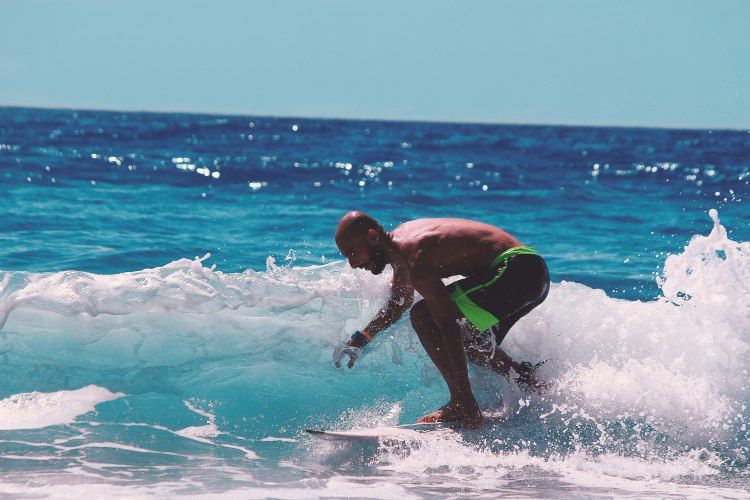
For Scottsdale residents, that matters during everyday activities like driving, walking through Old Town, playing golf, sitting by the pool, working outside, or hiking in the desert.
Use sunscreen on exposed scalp areas
If your scalp is visible, it needs sunscreen.
Choose a broad-spectrum sunscreen with SPF 30 or higher. Broad-spectrum means it helps protect against both UVA and UVB rays. SPF 30 or higher is the standard recommendation from dermatology sources for outdoor sun protection.
For a fully shaved or bald head, a regular lotion sunscreen can work well. Apply it evenly across the scalp, hairline, temples, ears, and back of the neck.
For thinning hair, sprays, powders, sticks, or lightweight scalp sunscreen formulas may be easier to use. These can help you reach the scalp without making the remaining hair look greasy or heavy.
The key is coverage. If you can see scalp, the sun can reach it.
Sunscreen should be reapplied about every two hours when outdoors, and more often after swimming or sweating. The AAD also recommends applying sunscreen to dry skin about 15 minutes before going outside.
This is especially important in Scottsdale because sweat, pool water, towel drying, and long outdoor exposure can all reduce protection.
Reapply sunscreen after:
- Swimming
- Heavy sweating
- Golfing or hiking
- Towel drying
- Long drives or outdoor errands
- Sitting outside for extended periods
If you have a bald or shaved head, keep sunscreen with you in your car, golf bag, pool bag, or gym bag. Making it easy to reapply is half the battle.
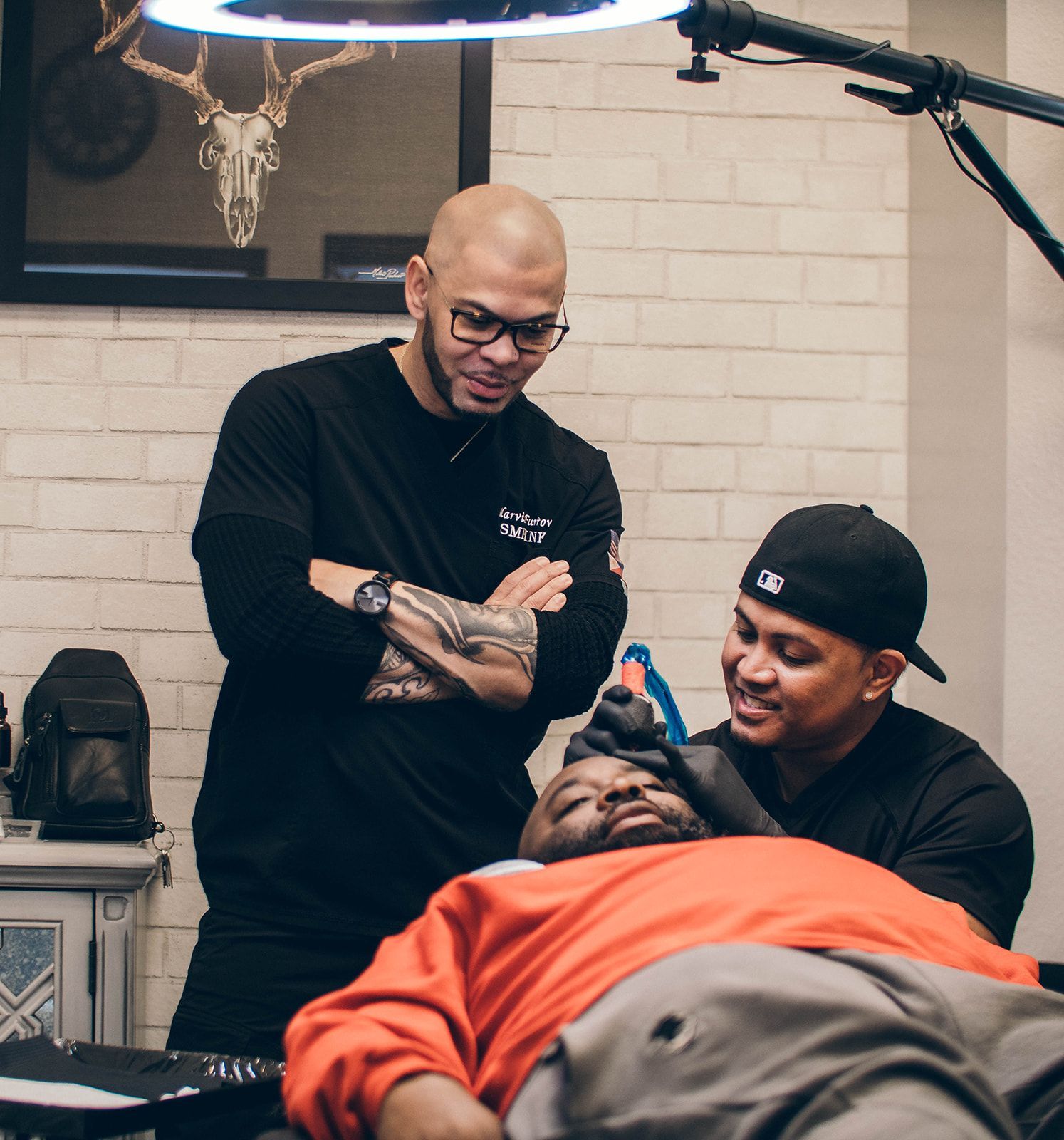
Scalp sun protection after SMP
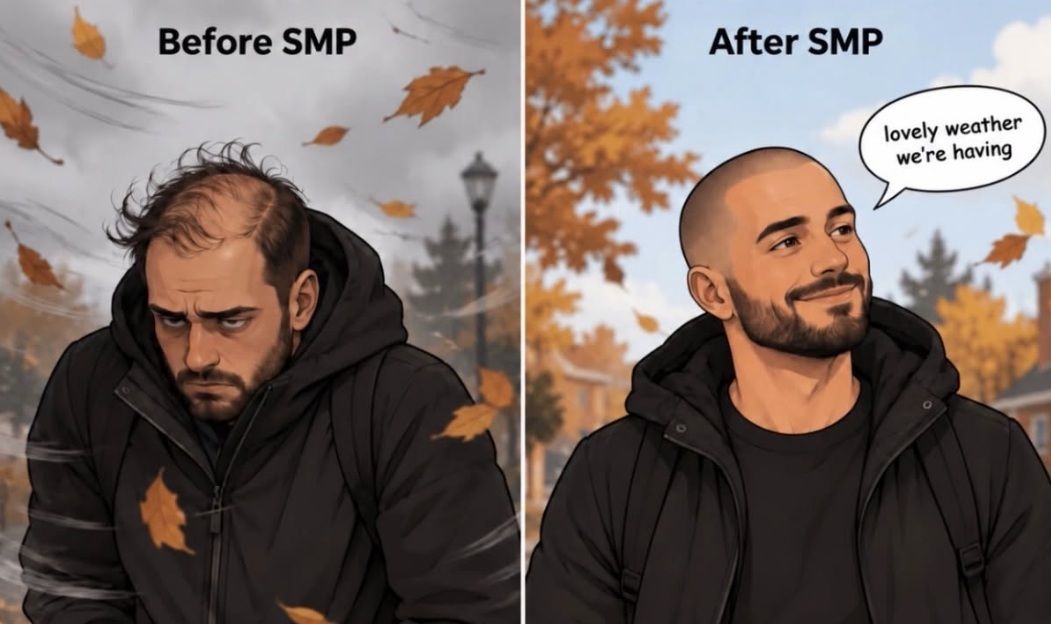
Scalp micropigmentation creates the appearance of fuller hair, a stronger hairline, or a clean shaved-head look by placing tiny pigment impressions into the scalp.
After SMP, sun protection becomes part of maintaining your results.
Fresh SMP should not be exposed to direct sunlight while the skin is healing. SMP aftercare guidance commonly recommends avoiding direct sun, heavy sweating, and certain water exposure during the early healing phase because the scalp is sensitive and pigment retention matters.
Once your SMP is fully healed, you can return to normal life, but you should still protect your scalp from the Arizona sun. Direct UV exposure can contribute to premature fading, which is why many SMP aftercare guides recommend sunscreen, hats, and limiting prolonged sun exposure after treatment.
For Scottsdale clients, that means scalp protection is not optional. It is part of keeping your SMP looking sharp.
Can sun exposure fade scalp micropigmentation?
Yes, too much direct sun exposure can make SMP fade faster over time.
SMP is designed to be long-lasting, but it still sits in skin that changes with sun exposure, aging, dryness, and lifestyle. UV rays can affect pigment appearance, and repeated unprotected sun exposure may lead to more fading or the need for touch-ups sooner.
This does not mean you have to avoid the sun forever. It means you should be smart about protection.
After your SMP is healed:
- Use SPF on exposed scalp
- Wear hats during long outdoor activities
- Avoid unnecessary tanning on the scalp
- Keep the scalp moisturized
- Follow your artist’s aftercare instructions
- Schedule touch-ups when the pigment naturally softens over time
In Scottsdale, a little prevention goes a long way.
Ready for a cleaner, fuller-looking hairline? - Schedule a consultation with SMP INK Scottsdale and find out if scalp micropigmentation is right for you.