
Tips for Women Coping With Hair Loss and Thinning Hair
Hair is an expression of your personal style. It makes you feel beautiful. Your hair is a big part of who you are, making losing your hair extremely difficult. Having no hair can undermine your confidence and sometimes make you want to hide. But there are ways to cope. Here are some ways to make you feel better about yourself so you can enjoy life again.
Types of Hair Loss
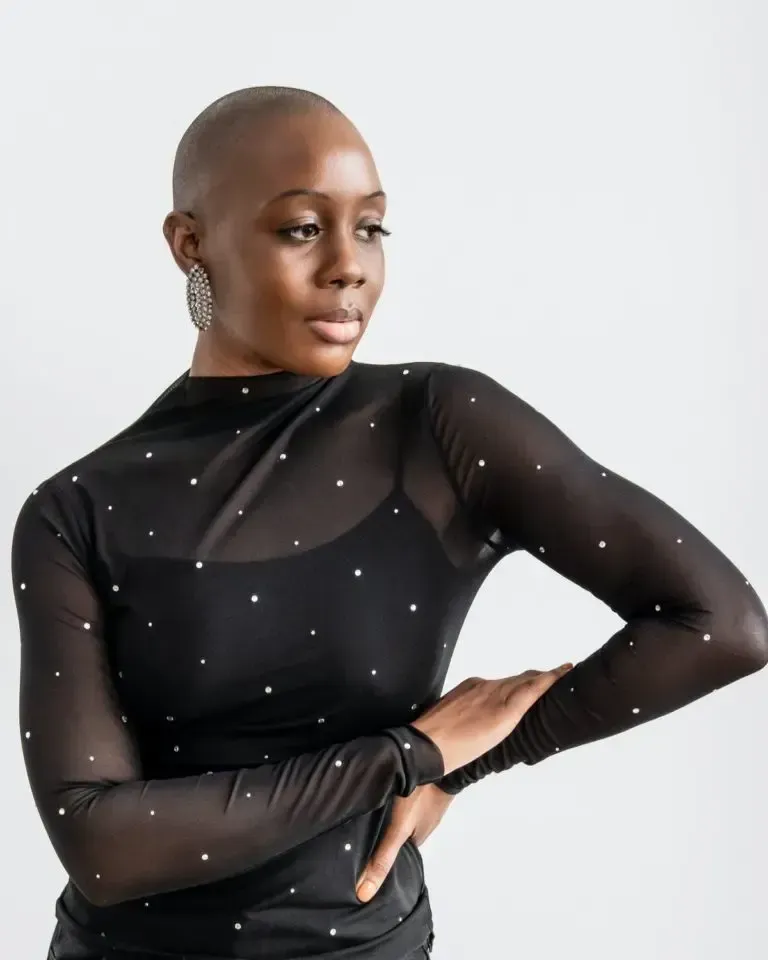
Losing around 80 strands of hair every day is typical, hair coming out in patches is not. Hair loss can happen at any age, to anyone. It can happen suddenly or over a long period. It can just thin out or be a complete loss. Female Pattern Baldness is common for women who have reached menopause, and 70% of women over 70 will have thinning hair. The biggest reason for hair loss is genetics.
Thinning hair can be the effect of medical treatment, a medical condition, or having a baby. Hair usually returns after these situations. Total hair loss can be the result of chemotherapy drugs and typically comes back after stopping the medication but can grow back a different color or texture. In alopecia areata, your hair falls out in circular patches. No matter if your hair loss is permanent or temporary, it is still psychologically painful. Here are some tips to help you cope.
Coping with Hair Loss
Losing your hair is devastating, even if it is temporary. Fortunately, there are ways to cope with the trauma of losing your hair and ways to disguise it or cover it if you don’t want to be your beautiful, bald self.
It’s Okay to be Vain
If your looks are tied up in your identity, losing your hair will be even more difficult. Please do not feel guilty for feeling vain. It is okay to feel bad about losing your hair. You may feel like you are shallow, or you may feel ashamed for feeling awful about losing your hair, but it is okay. These feelings are normal, and don’t let anyone tell you any different. Let yourself feel bad, then take action and do something about it. Taking action will distract you from the pain and help you on your road to recovery.
Treatments
Most hair loss does not need treatment as it is usually caused by one of two factors. Either the hair loss is temporary, and it will grow back on its own, or it is permanent, and there isn’t anything you can do about it. Minoxidil, iron supplements, and surgery are all possible treatments. As hair loss can sometimes be a hint to an underlying medical condition, talk to your doctor before trying any of these solutions. Do your research. Find out everything you can about which treatments are available for your specific type of hair loss.
Online Support Groups
Join a support group. Online support groups like Women’s Hair Loss Project are there to help you on your journey and talk to your friends and family who are willing to listen.
Know Someone Facing Hair Loss?
If you are a friend or relative of someone facing hair loss from chemotherapy or other temporary total hair loss, DO NOT say, “It’s just hair, it will grow back.” To them, it is not JUST hair. Hair is a huge part of who they are, and to lose it can be devastating. Instead, offer to take them wig shopping or take them out and treat them to a new hat. These are much more productive ways to help and will boost their self-esteem instead of crushing it.
Accepting the Inevitable
If you do have alopecia or you lost your hair due to a medical condition or treatment, give yourself time to grieve for the loss of your hair. It doesn’t mean you’re vain. It just means you’re human. Make a list of your good qualities and, as the old song suggests, accentuate the positive and eliminate the negative. Wear makeup to help boost your self-esteem. You may like the freedom of being bald and not worrying about styling your hair every day.
Disguises and Cover-ups
If you don’t feel that bald is the look for you, hats, headbands, and scarves are the easiest way to cover up and go. Extensions are helpful when you still have some hair. Most extensions have to be done by a professional. On the other hand, clip-on extensions are long-lasting, look great, and are easy to put in yourself.
Wigs
Don’t be reluctant to try a wig. There is nothing wrong with wearing one. Most wigs are undetectable and simple to put on with a little practice. Wigs are fun! You can try all different styles and colors that you may have never thought of trying before. Take your best friend and make a day of it. Wigs can be the key to giving you back your confidence, which is imperative at this time of your life. If you need a wig but can’t afford one, many places offer free wigs if you meet their qualifications.
Scalp Micropigmentation
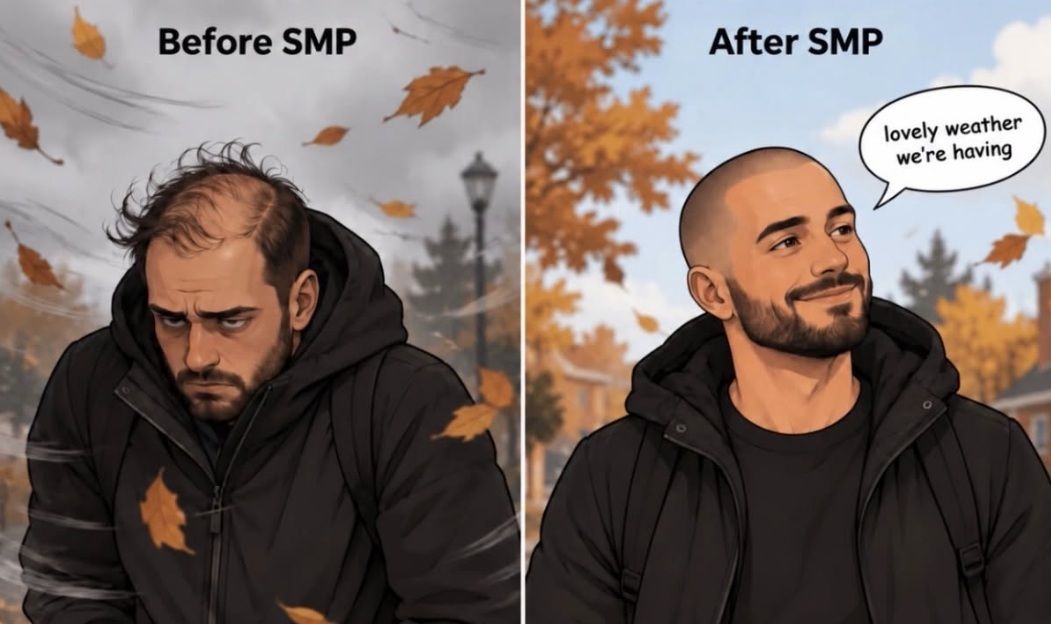
Scalp Micropigmentation will give you the look of hair on a bald head or fill in bare spots where your hair is thinning, making it appear thicker. It is a non-surgical process and lasts for years.
Microblading
When you lose your hair, that doesn’t always mean just the hair on your head. Hair loss often includes losing eyebrows. Eyebrows are not the easiest things to replicate. Makeup can always do the trick, but trying to make them even, spending money for makeup, and the anxiety of wondering if they have rubbed off during the day can be avoided with eyebrow microblading . Your eyebrows will be there 24/7, they will not wash off in the shower, and will always look great with microblading!
SMP Ink Can Help!
At SMP Ink, we have a staff of professionals that can cover your bald spots with scalp micropigmentation and make it look natural. We have many years of experience, lots of happy, satisfied customers, and we can help you too. We also have talented microblade specialists on staff to make your eyebrows look amazing! Contact us today for a free consultation.