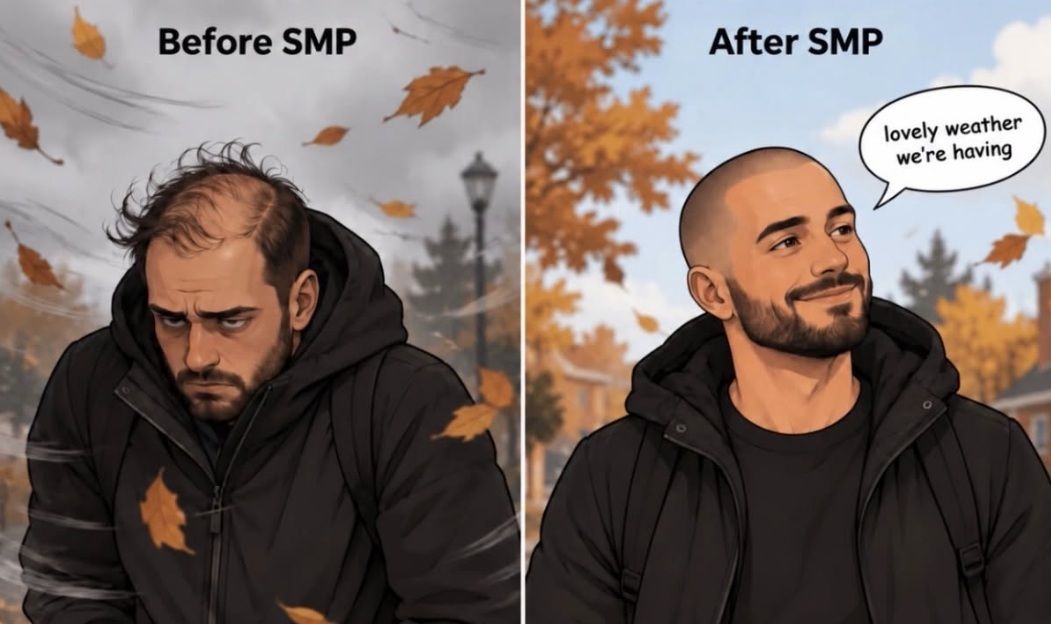

Why Scalp Micropigmentation Is a Low Maintenance Confidence Boost
Summer in Scottsdale: Why Scalp Micropigmentation Is a Low-Maintenance Confidence Boost
Summer in Scottsdale has a personality of its own. The days are bright, the sun is strong, and life tends to move between early morning plans, air conditioned afternoons, pool time, patios, gyms, golf courses, and evenings out in Old Town. For many men dealing with thinning hair, a receding hairline, or visible scalp, summer can also bring extra frustration. Hats become a daily habit. Sweat makes styling products harder to manage. Pool days make hair fibers or concealers feel risky. And the Arizona sun has a way of making every thin spot feel more noticeable.
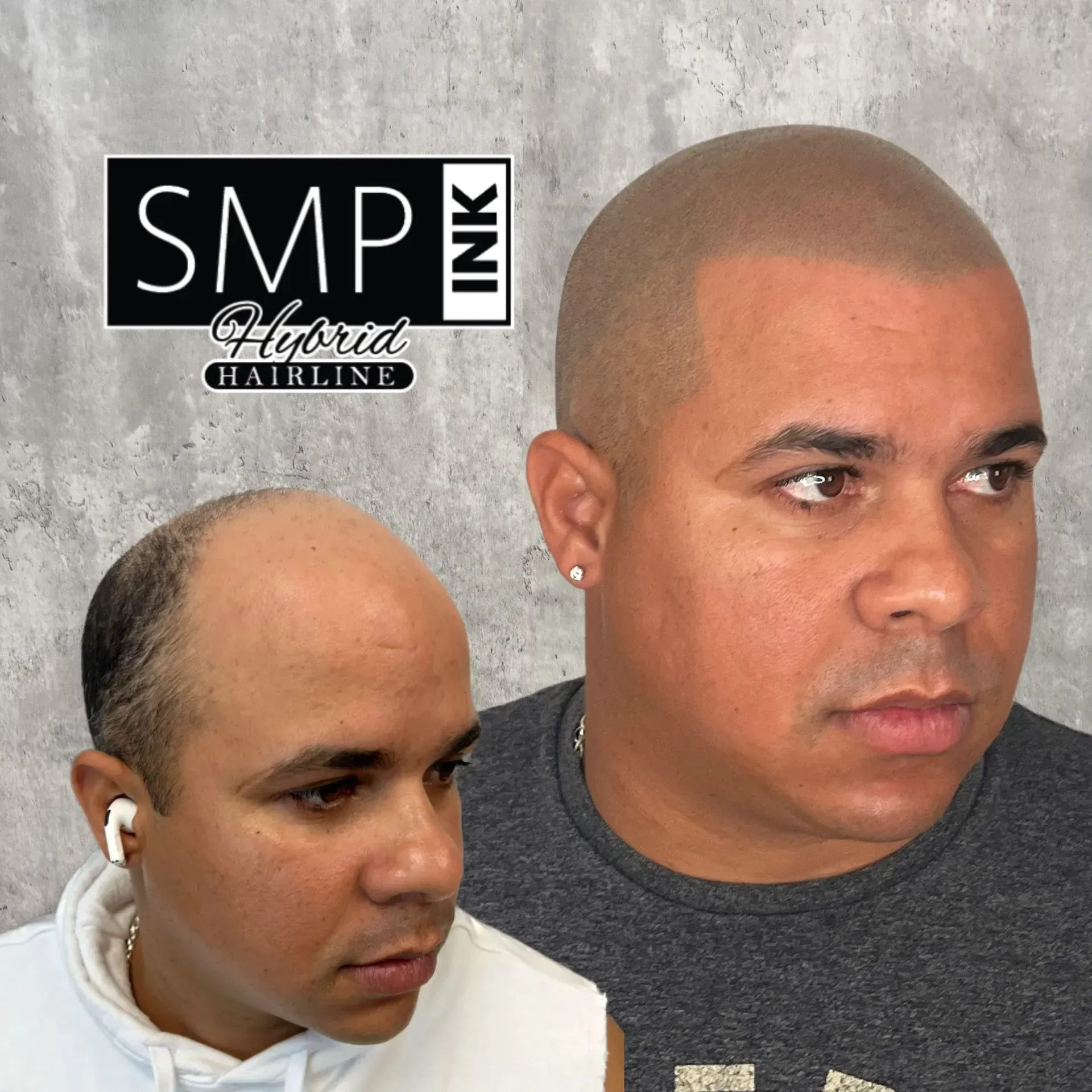
That is one reason scalp micropigmentation has become such a practical option for men in Scottsdale. SMP does not grow hair back, and it is not a surgical hair restoration procedure. Instead, it creates the look of closely shaved hair follicles using detailed pigment impressions placed across the scalp. The result can help restore the appearance of density, sharpen the hairline, soften the contrast between hair and scalp, and create a cleaner, more intentional look.
Why SMP Makes Sense for Scottsdale Summers
For Scottsdale summers, that matters. This is a city where simple grooming is more than convenience. It is survival. When temperatures climb and the sun is out almost every day, the last thing most people want is a complicated hair routine that depends on sprays, powders, fibers, or careful styling.
One of the biggest advantages of SMP during summer is consistency. If you have thinning hair, you may already know the routine. You get ready in the morning, check the mirror, adjust the hairline, apply product, avoid touching your head, and hope wind, sweat, or water does not ruin the look. In Scottsdale, that routine gets tested fast. A short walk across a parking lot, a round of golf, a workout, or a few hours by the pool can undo a lot of effort.
Scalp micropigmentation gives you a look that is not dependent on your hair behaving perfectly. For men who already keep their hair short or shaved, SMP can make the shaved style look fuller and more deliberate. Instead of looking like you shaved because you had to, the goal is to make it look like you chose a sharp, clean style that fits your face.
That is especially helpful in a place like Scottsdale, where appearance often matters in professional, social, and lifestyle settings. Whether you are meeting clients near Kierland, heading out in Old Town, spending time at a resort pool, or keeping up with a regular gym routine, your hair should not be the thing stealing your confidence.
A Better Option for Active Lifestyles

Another reason SMP works well for summer is that it pairs naturally with an active lifestyle after the initial healing period. There is still aftercare to follow. Right after an SMP session, clients are typically advised to avoid heavy sweating, swimming, direct sun exposure, and soaking the scalp for a short period while the area heals. Your provider should give you exact instructions based on your treatment plan. But once healed, SMP is designed to be a low maintenance cosmetic solution.
That means no worrying about hair fibers washing away in the pool. No carefully avoiding water. No checking whether concealer has shifted after sweating. No trying to style thinning hair in dry heat. For many clients, the freedom is not just visual. It is mental.
Scalp Care Still Matters in the Arizona Sun
Of course, Scottsdale’s sun is no joke, and scalp care still matters. A visible scalp is skin, and skin needs protection. Whether you have SMP or not, sunscreen, hats, and shade are important habits, especially if your hair is thinning or shaved.
After your SMP has healed, protecting your scalp from strong sun exposure can also help preserve the appearance of your results over time. A good routine may include SPF, lightweight hats, and avoiding long periods of direct midday sun when possible.
Natural Results Are the Goal
The best SMP results are built around realism. In Scottsdale, where bright natural light can make bad work obvious, subtlety matters. A natural hairline, proper pigment selection, soft blending, and density that matches your existing hair are more important than trying to create an overly dark or aggressive look. The goal should be for people to notice that you look sharper, not to immediately notice the procedure.
That is why consultation matters. A good SMP provider should evaluate your hair loss pattern, skin tone, remaining hair, lifestyle, and preferred style before recommending a plan. Someone with diffuse thinning may need a different approach than someone with a fully shaved head. A client who spends a lot of time outdoors may need extra guidance around ftercare and long term scalp protection. A natural result is not the same for everyone.
Summer Can Be a Good Time to Start
Summer can also be a great time to start because many men are already shifting to shorter haircuts. If you have been thinking about buzzing your hair down or accepting a shaved look, SMP can help make that transition easier. Instead of feeling exposed, you can move into a cleaner style with the appearance of a fuller hairline and more even coverage.
It can also be a good alternative for men who are not ready for a hair transplant, do not want ongoing medications, or are tired of spending money on temporary products that only work until the next shower, workout, or pool day. SMP is not the right choice for everyone, but for the right client, it can be one of the most practical cosmetic options for hair loss.
Ready for a Cleaner Summer Look?
The Scottsdale lifestyle is built around showing up at work, at dinner, at the gym, by the pool, on the course, and everywhere in between. If hair loss has made you feel like you are hiding under hats or avoiding certain plans, scalp micropigmentation may be worth considering.
If you are in Scottsdale, Phoenix, Paradise Valley, Tempe, Mesa, or the surrounding area, schedule a scalp micropigmentation consultation with our Scottsdale SMP team. We will review your hair loss pattern, talk through your goals, explain the process, and help you decide whether SMP is the right fit for your lifestyle.