

The Difference Between Shedding and Hair Loss

shiftframe • May 11, 2021

Hair shedding is a completely normal part of life. It happens to everyone daily, and it’s supposed to. That’s the reason why hairbrushes, bathrooms, and sweaters are almost always covered in hair. However, there is a point where shedding becomes a hair loss problem we need to be more concerned of. Continue reading to find out the point where shedding becomes hair loss.
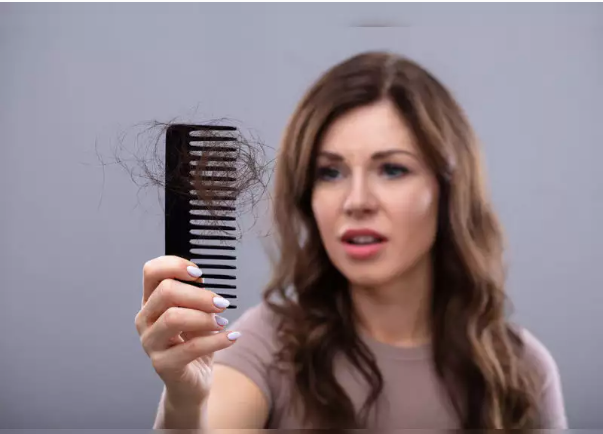
It’s Just Shedding Until it’s Not

Most people lose about a hundred hairs per day, which is part of the natural shedding process, but no one actually counts the number of individual hairs in their drains. However, if you notice a sudden change in the volume of hair in the drain, you might have a problem you need to focus your attention on. No one knows your body like you do. With that being said, if you feel something might be wrong, see a board-certified dermatologist or your primary care physician. 

Coping with Hair Loss

Hair is a crucial part of our identities. If you’ve ever gotten a bad hair cut or lousy dye job, you are all too familiar with how much of our identities lie within our hair. This is the reason why it can be so worrisome when we start to notice it falling out at a higher rate than before, especially if we see a difference in what’s left on our heads. This can be increasingly difficult when we don’t know what’s going on; therefore, we don’t know how to solve the problem. There are a few different things that could be causing hair loss. These causes can range from being environmental, physiological, genetic, or medical. However, it’s essential to remain calm. Just remember that there’s a way to deal with all of the different causes of hair loss. It’s also important to keep in mind that you’re not alone. 

The Solutions

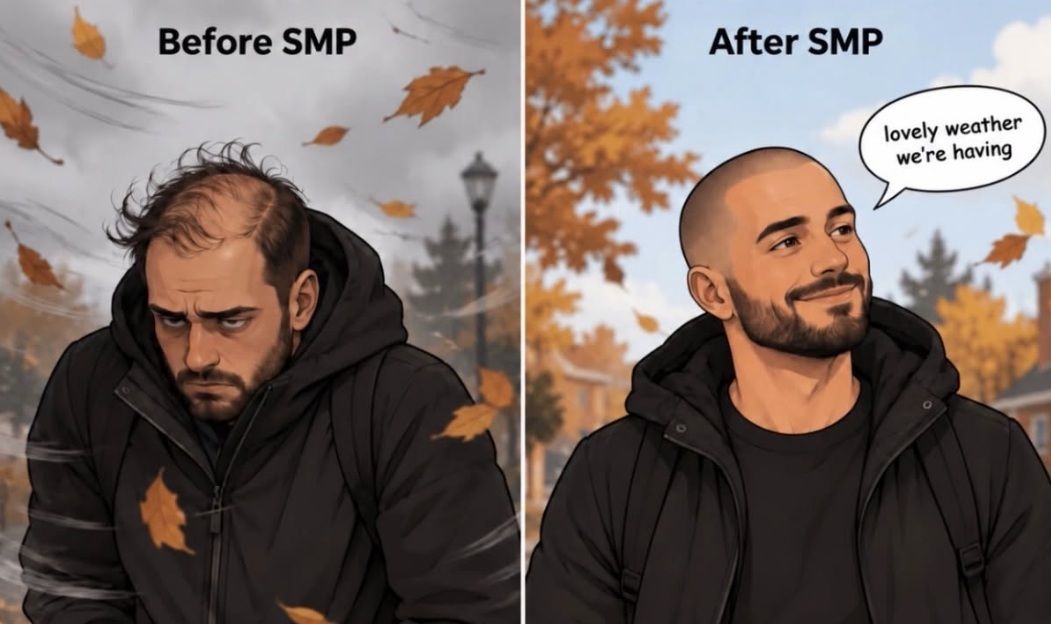
There are many different ways to deal with hair loss. One of them is just to accept it. Another way to deal with hair loss is by going with a haircut that either hides the hair loss or works with it. Another option is to utilize topical solutions and medical treatments. Some people also choose to go the natural route and use all-natural products. There’s also a more expensive method to deal with hair loss – surgical hair restoration or implants. Getting hair implants is a relatively minimally invasive surgical procedure where your natural hair is removed from the generally thicker back and sides of your scalp and implanted into the thinning or balding areas. However, this process is expensive, and there will be downtime associated with it. It is, after all, a surgery. The good news is another procedure’s even less invasive and much cheaper—scalp micropigmentation, also known as a scalp tattoo. It’s a permanent pigment that is applied to your scalp to give the illusion of hair. Scalp micropigmentation can be used to fill balding or thinning areas of your scalp, whether it’s on the crown or hairline. It can also be great for camouflaging scars. 

SMP Ink

The experts at SMP Ink can help you take advantage of the newest hair loss solution that provides natural, undetectable results! With over a decade of experience, our team has helped change the lives of hundreds of clients. Contact us today for a free consultation.

By Marvin Furrow • September 26, 2026
Can Scalp Micropigmentation Fix a Bad Hair Transplant? A hair transplant can be life-changing when it goes well. But sometimes the final result still leaves visible scars, thin areas, or uneven density. Scalp micropigmentation (SMP) can help improve the appearance of many hair transplant concerns by adding realistic pigment impressions that blend with your existing hair and reduce the contrast between the scalp and surrounding follicles. SMP does not regrow hair or physically repair a transplant. Instead, it can make certain problem areas look fuller, more balanced, and less noticeable. SMP for Low-Density Hair Transplants One of the most common concerns after a hair transplant is that the result still looks thin. Even when transplanted hair grows successfully, there may not be enough density to fully hide the scalp, especially under bright lighting or around the crown. SMP can be placed between existing hairs to reduce visible scalp and create the appearance of greater density. This is often called density SMP and can work well alongside both natural and transplanted hair. Can SMP Hide FUE and FUT Scars? Hair transplant procedures can leave different types of scarring. FUE procedures may leave small dot-like scars throughout the donor area, while FUT procedures can leave a more noticeable linear scar across the back of the scalp. SMP can help camouflage both by blending pigment into the surrounding area and reducing the contrast between scar tissue and the scalp. The scar itself does not disappear, but it can become much less noticeable, particularly with shorter hairstyles. Improving Uneven Donor Areas Some people are left with patchy or overharvested donor areas after a hair transplant. When too much scalp becomes visible between the remaining hairs, SMP can help create a more consistent appearance throughout the area. By adding follicle-like impressions where density is lacking, SMP can make the donor area look more balanced without another surgical procedure. Can SMP Improve an Unnatural Hairline? In some cases, yes. If the hairline looks thin , inconsistent, or lacks density, SMP can help soften the transition and create a fuller appearance. However, SMP cannot reposition transplanted hairs or change the direction they grow. If the issue is related to the placement of the grafts themselves, surgical correction may still be needed. SMP and Hair Transplants Can Work Together A hair transplant and SMP do two different things. A hair transplant adds real, growing hair. SMP helps create the appearance of additional density underneath and around that hair. For some people, using both treatments can create a more complete result than either one alone. SMP may also be used specifically to improve donor scars or areas where the scalp still shows through after a transplant. When SMP May Be a Good Option SMP may be worth considering if your hair transplant has left you with: Visible FUE scars An FUT strip scar Thin or low-density areas Patchy donor areas Visible scalp between transplanted hairs An uneven overall appearance The scalp should be fully healed before SMP is performed, particularly following a recent transplant. Hair Transplant SMP in Scottsdale, Arizona Every hair transplant result is different. At SMP INK AZ , we use scalp micropigmentation to help blend visible scars, improve the appearance of thinning areas, and create a more consistent look across the scalp. If you're unhappy with the appearance of a previous hair transplant, schedule a consultation with SMP INK AZ in Scottsdale to find out whether SMP can help improve your result.
marrvin furrow smp ink az owner and Mr. Universe
By Marvin Furrow • June 21, 2026
Considering SMP in Scottsdale? See why scalp micropigmentation is a low maintenance option for thinning hair, shaved styles, and summer confidence.