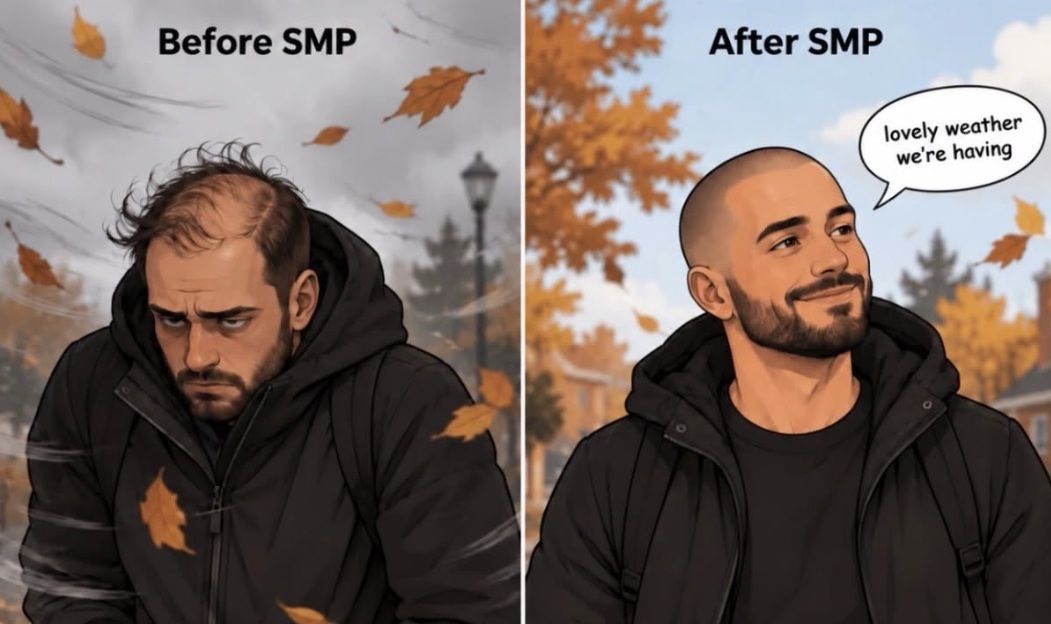

Excessive Hair Loss Doesn’t Necessarily Mean You’re Balding
If you’re experiencing significant hair loss, it might actually be a symptom of something else. There are six possible reasons why your hair could be shedding at a rapid rate. One of those reasons is androgenetic alopecia. In layman’s terms, this is male or female pattern baldness. However, the other five causes could be the underlying reason for your hair loss. Continue reading to find out more.
Bad Diet
Sometimes it’s what you’re eating or NOT eating that’s causing excessive hair loss. This can especially be the case if you’re on a restricted diet.
Excessive hair loss due to a nutritional deficiency is rare, but it can be triggered by bad eating habits. Things like vitamins, proteins, minerals, and essential fatty acids are necessary, and without them, your hair will suffer. Your hair’s growth and structure can be affected. Premature graying may also occur.
If this is the reason you’re losing hair, you need to focus on getting the right amount of the right nutrients.
Skin Disorders
There are some infectious agents that can affect the scalp. These infectious agents can also cause hair loss. These infections are typically fungal, such as ringworm, tinea captis, piedra, etc. However, some are caused by oil buildup that can inflame the hair follicles, like folliculitis.
These conditions are usually noticeable due to causing persistent itching, scaliness, or inflammation. Patchy hair loss usually occurs in the areas of the scalp that are affected. While these conditions are known to linger, the effects can be reversed by receiving the proper treatment. A visit to your doctor is usually all it takes to diagnose and treat the problem.
Excessive Stress
Stress can be a major factor in hair loss. This is because stress can cause a lot of your hair follicles to go into the resting phase, known as telogen effluvium.
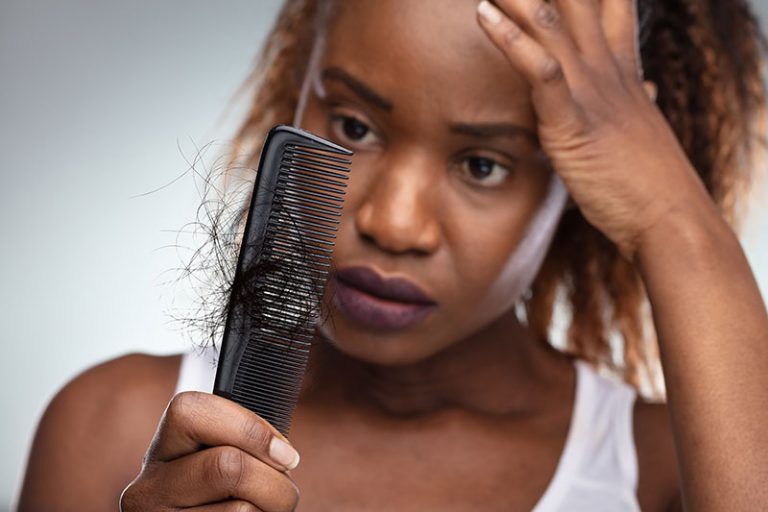
When stress is the culprit, it’s usually marked by significant hair fall as the follicles stop producing new hair. It will be primarily noticed around the temples. Gradual shedding will be noticeable, so there will be more strands on your pillow, in your comb, or down the drain. In some instances, hairless patches on the head may occur.
Stress can also cause harmful mannerisms, such as compulsive and repetitive hair pulling. If left unmanaged, this will lead to localized hair loss. Typical targets of compulsive hair pulling are the scalp, eyelashes, eyebrows, and beard.
Stress-related hair loss can be dealt with through your own coping mechanisms, as well as behavioral therapies, prescription medications, and over-the-counter medications.
Physical Trauma
Physical trauma can also create significant stress for the body. Your system responds to trauma by redirecting nutrients to affected tissues or vital organs as a coping response. Nutrients are transferred away from the hair bulb to the injured area, which can negatively affect hair growth. This can trigger the hair cells to go into the resting phase, causing them to fall out.
The injury can sometimes be so severe that it dramatically affects the physical structure of the scalp. This can especially be the case with chemical injuries, burns, and surgeries. Depending on the extent of the damage, hair transplant surgeries may be able to reverse the damage in most cases.
Dramatic Weight Loss
Crash dieting can cause you to not only lose weight but lose hair as well. Many of these regimens run the risk of depriving your body of a healthy amount of iron, proteins, and other essential nutrients that are necessary for hair growth.
When dramatic weight loss is the culprit, hair loss is usually linked to telogen effluvium, which, as mentioned before, is not a life sentence. In most cases, once the problem is corrected, the hair growth will return to normal in about two to three months.
Consult the Professionals
Hair loss can be devastating. When you’re unsure of the cause or when it stems from male or female pattern baldness, it may seem like you’re out of options. But you’re not! There are a few solutions you can turn to. There are several medications and topical solutions that might help. You can also choose to undergo hair transplant surgery. If, however, you’re looking for a permanent solution that’s minimally invasive, scalp micropigmentation is the way to go. Scalp micropigmentation is essentially a scalp tattoo. At SMP Ink , our artists can restore your hairline, fill in bald spots, fill in thinning areas, camouflage scars, and more. Contact us today for a free consultation.