

How to Prevent Balding

shiftframe • September 6, 2021

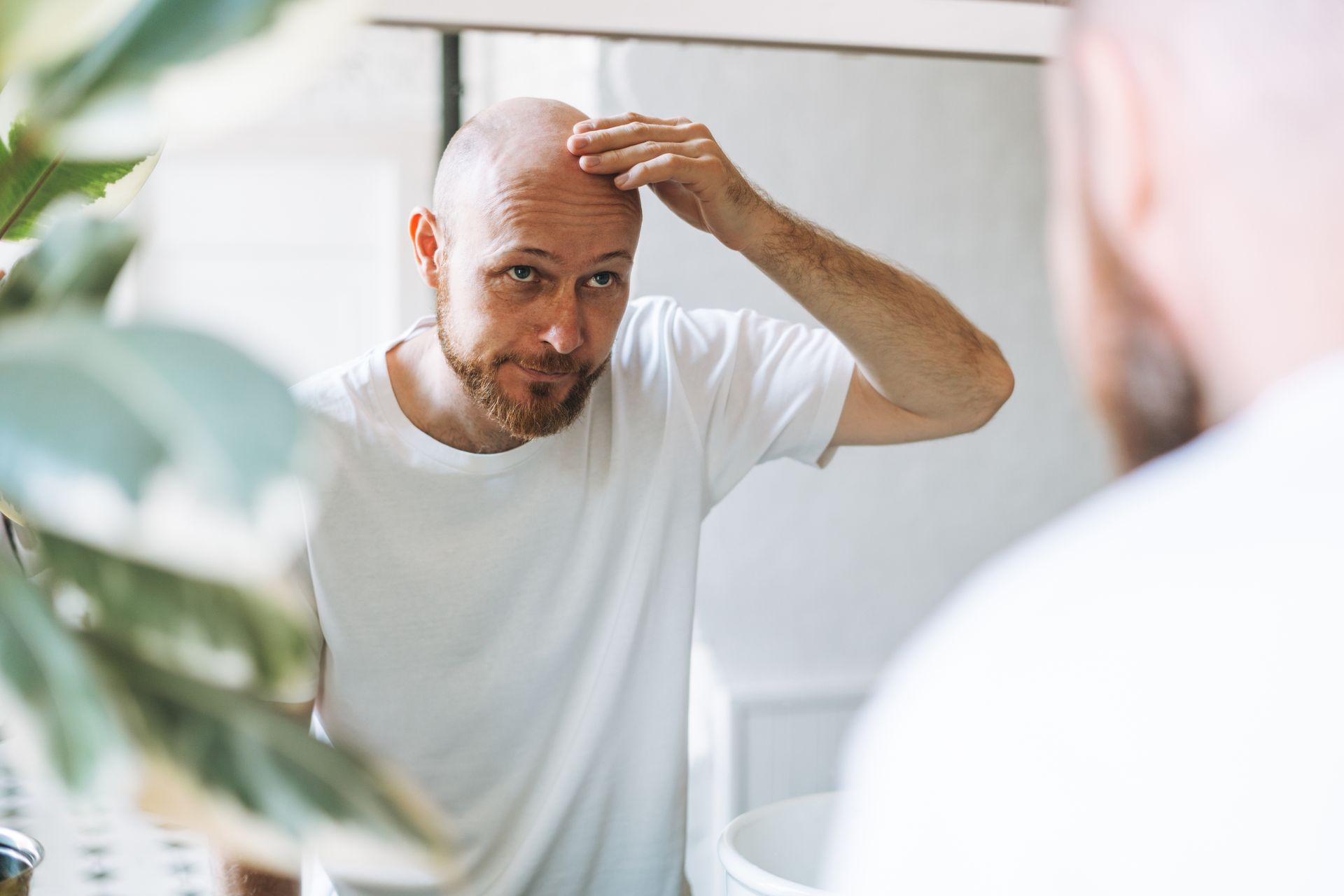
Balding is concerning for millions of people all over the world. This is especially true for people with a family history of balding. While some balding is hereditary, proper care and correct dietary habits can minimize the risk. Feeding our body the proper nutrients can help strengthen its natural processes. You can help prevent balding at an early age by increasing proteins, vitamins, and omega-3 fatty acids in your diet. Reducing stress and nicotine intake can also help prevent balding. If you have a family history of balding, you should steer clear of harmful hair straightening agents and chemical-containing shampoos. Continue reading for more tips on how to prevent balding.
Increase Protein

Our hair is made up of a protein called keratin. Protein is critical for hair growth, so it’s imperative to eat foods rich in protein. Try to stay away from fast food with minimal nutritional value. Consider adding a protein supplement to your diet. This will assist with supplying an additional protein to help prevent hair loss. It will also compensate for a diet that’s low in nutrients. Our body utilizes protein for new cell formation. Protein also helps maintain different processes that promote hair growth. 

Increase Iron

Iron is arguably one of the most important nutrients our body needs to carry out daily processes. Iron carries oxygen in the blood. In order to promote new cell formation, oxygenation of cells is critical. This is why you should eat foods rich in iron. These foods include spinach, meat, and eggs. Proper iron intake can enhance iron reserves in the body and prevent anemia, which can play a role in balding.

Reduce Stress

Stress creates negative chemicals in the brain. Stress can also cause hormonal imbalances. Both of these factors can negatively impact hair growth. Practicing stress coping techniques will help reduce the element of stress in balding.

Increase Vitamins

There are a lot of vitamins that can help prevent hair loss. Vitamin A and Vitamin C are the most important of these vitamins. Vitamin C is an antioxidant that reduces oxidative stress. Oxidative stress can cause hair to become damaged and fall out. Vitamin A helps produce more sebum, which is a natural moisturizer for hair roots. Increase your intake of vitamin-rich foods to help prevent hair loss.

Increase Omega-3 Fatty Acids

Omega-3 fatty acids can help strengthen your scalp and tighten up hair roots. These fatty acids need to be consumed through food since our body doesn’t produce them. Foods that are rich in these fatty acids include salmon and other types of seafood. You can also take fish oil tablets to supplement omega-3 fatty acids. 

After Balding Occurs

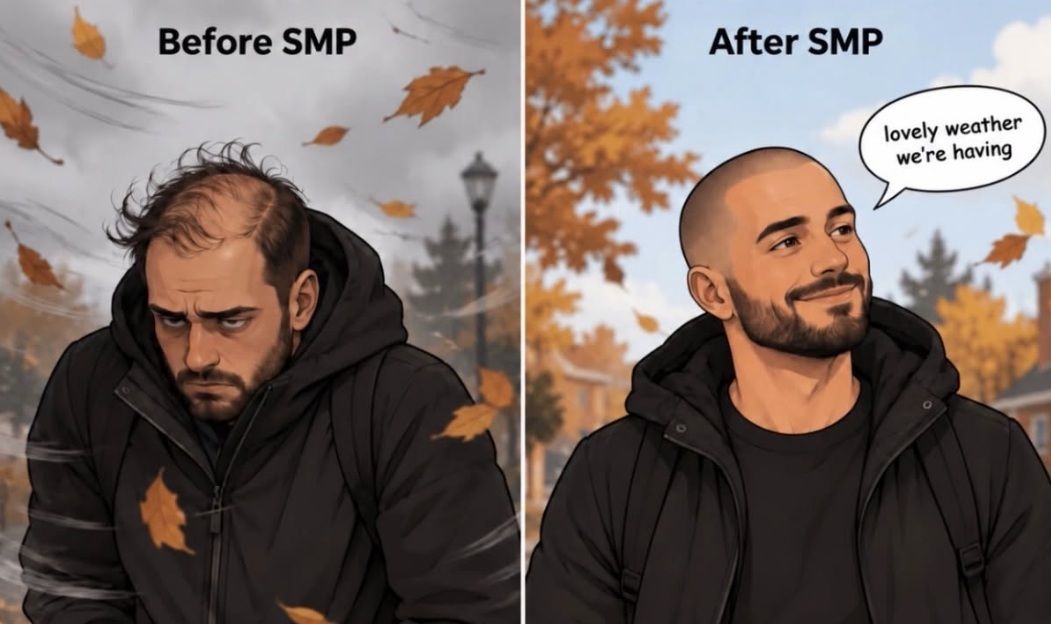
While the above tips can help prevent balding, it’s not a surefire way to stop it from happening, especially if you have a genetic predisposition to go bald. In this case, especially if you’re already noticing signs of balding, there are still ways to help. There are many topical solutions that can help if you’re balding. You can also get hair transplant surgery. However, the newest hair loss solution with natural, undetectable results is scalp micropigmentation. Scalp micropigmentation or SMP is simply a scalp tattoo that looks exactly like actual hair. At SMP Ink , our team of professionals has over a decade of experience and can change your life. Contact us for a free consultation.

By Marvin Furrow • September 26, 2026
Can Scalp Micropigmentation Fix a Bad Hair Transplant? A hair transplant can be life-changing when it goes well. But sometimes the final result still leaves visible scars, thin areas, or uneven density. Scalp micropigmentation (SMP) can help improve the appearance of many hair transplant concerns by adding realistic pigment impressions that blend with your existing hair and reduce the contrast between the scalp and surrounding follicles. SMP does not regrow hair or physically repair a transplant. Instead, it can make certain problem areas look fuller, more balanced, and less noticeable. SMP for Low-Density Hair Transplants One of the most common concerns after a hair transplant is that the result still looks thin. Even when transplanted hair grows successfully, there may not be enough density to fully hide the scalp, especially under bright lighting or around the crown. SMP can be placed between existing hairs to reduce visible scalp and create the appearance of greater density. This is often called density SMP and can work well alongside both natural and transplanted hair. Can SMP Hide FUE and FUT Scars? Hair transplant procedures can leave different types of scarring. FUE procedures may leave small dot-like scars throughout the donor area, while FUT procedures can leave a more noticeable linear scar across the back of the scalp. SMP can help camouflage both by blending pigment into the surrounding area and reducing the contrast between scar tissue and the scalp. The scar itself does not disappear, but it can become much less noticeable, particularly with shorter hairstyles. Improving Uneven Donor Areas Some people are left with patchy or overharvested donor areas after a hair transplant. When too much scalp becomes visible between the remaining hairs, SMP can help create a more consistent appearance throughout the area. By adding follicle-like impressions where density is lacking, SMP can make the donor area look more balanced without another surgical procedure. Can SMP Improve an Unnatural Hairline? In some cases, yes. If the hairline looks thin , inconsistent, or lacks density, SMP can help soften the transition and create a fuller appearance. However, SMP cannot reposition transplanted hairs or change the direction they grow. If the issue is related to the placement of the grafts themselves, surgical correction may still be needed. SMP and Hair Transplants Can Work Together A hair transplant and SMP do two different things. A hair transplant adds real, growing hair. SMP helps create the appearance of additional density underneath and around that hair. For some people, using both treatments can create a more complete result than either one alone. SMP may also be used specifically to improve donor scars or areas where the scalp still shows through after a transplant. When SMP May Be a Good Option SMP may be worth considering if your hair transplant has left you with: Visible FUE scars An FUT strip scar Thin or low-density areas Patchy donor areas Visible scalp between transplanted hairs An uneven overall appearance The scalp should be fully healed before SMP is performed, particularly following a recent transplant. Hair Transplant SMP in Scottsdale, Arizona Every hair transplant result is different. At SMP INK AZ , we use scalp micropigmentation to help blend visible scars, improve the appearance of thinning areas, and create a more consistent look across the scalp. If you're unhappy with the appearance of a previous hair transplant, schedule a consultation with SMP INK AZ in Scottsdale to find out whether SMP can help improve your result.
marrvin furrow smp ink az owner and Mr. Universe
By Marvin Furrow • June 21, 2026
Considering SMP in Scottsdale? See why scalp micropigmentation is a low maintenance option for thinning hair, shaved styles, and summer confidence.