

Best Ways to Combat Hair Loss

shiftframe • November 17, 2021

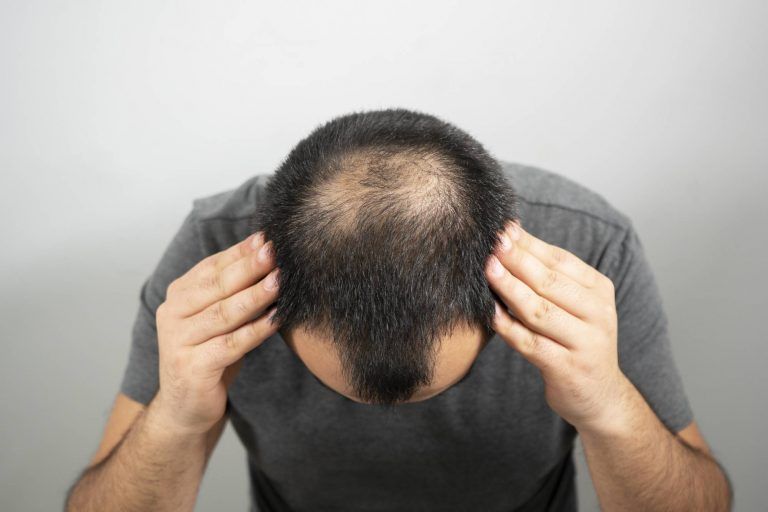
Hair loss concerns can be approached in several different ways. The best solution for your hair loss depends on the reasons for your hair loss and the specific solution you’re looking for. The good news is that the options for preventing hair loss and restoring hair density are vast. These solutions include lifestyle changes, alternative remedies, nutritional adjustments, medical treatments, and styling and grooming tips. Continue reading to find out more about hair loss solutions and decipher which solution is best for you.
Causes and Prevention

An important first step in treating hair loss is to understand the causes so that further hair loss can be prevented if possible. One example is stress-related hair loss. In this instance, practicing stress management might help with preventing further hair loss. The best way to find out the underlying cause of your hair loss is to speak to a specialist.

Nutrition

Almost every hair specialist will recommend a review of your diet and nutrition. This is done to find out if any vitamin or mineral deficiencies might be causing thinning hair or hair loss. A healthy diet including high-quality proteins, fruits, vegetables, and the right kinds of oils and minerals, is an effective way to improve the quality and health of your hair and scalp. Some supplements can also be taken to help if dietary changes aren’t a viable option.

Natural Remedies

Many natural remedies are often used to stimulate stronger, thicker, and healthier hair growth. These include scalp massages (especially when specific essential oils are applied), rice water sprays, and dermarollers. 

Lifestyle Changes

There are many lifestyle changes that you can make that might improve your hair’s strength, volume, thickness, and overall health. Regular exercise is one of the most commonly recommended lifestyle changes that can have an overall positive effect on your health, which will positively impact your hair growth.

You can also make some changes to your hair care regime. For example, you might want to use shampoos or conditioners that are specifically formulated to thicken or strengthen your hair. You can also reduce harmful styling techniques such as blow-drying or coloring. 

Medical Methods

If your hair loss is more serious, you may benefit from medical methods. Many prescription medications can be applied to help treat hair loss or hair thinning. The most popular one is Minoxidil. 

Another popular medical method is laser hair therapy, which is known to stop further hair loss and can even encourage new hair growth of dormant hair follicles if combined with good hair growth products.

Platelet-rich plasma or PRP is another method available for hair loss patients. This procedure involves injecting specially-treated plasma into the scalp to encourage hair regrowth. 

Another medical approach to restoring hair is getting a hair transplant. Hair transplants can address even the most extreme hair loss cases and can even restore hair to eyebrows or beards.

Another Solution

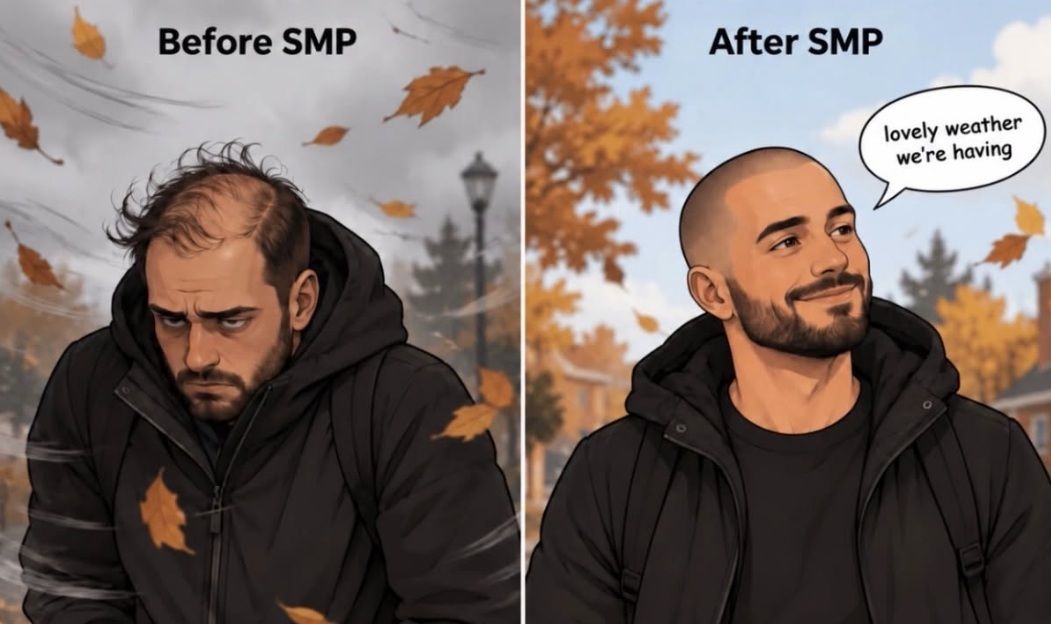
One hair loss solution gaining popularity is scalp micropigmentation or SMP. SMP is a safe, non-surgical, advanced hair restoration technique. It is similar to permanent cosmetic pigmentation. At SMP Ink , our professional technicians insert tiny permanent deposits of organic pigments into the scalp, accurately replicating your hair follicles. For more information or to schedule a free consultation, contact us today.

By Marvin Furrow • September 26, 2026
Can Scalp Micropigmentation Fix a Bad Hair Transplant? A hair transplant can be life-changing when it goes well. But sometimes the final result still leaves visible scars, thin areas, or uneven density. Scalp micropigmentation (SMP) can help improve the appearance of many hair transplant concerns by adding realistic pigment impressions that blend with your existing hair and reduce the contrast between the scalp and surrounding follicles. SMP does not regrow hair or physically repair a transplant. Instead, it can make certain problem areas look fuller, more balanced, and less noticeable. SMP for Low-Density Hair Transplants One of the most common concerns after a hair transplant is that the result still looks thin. Even when transplanted hair grows successfully, there may not be enough density to fully hide the scalp, especially under bright lighting or around the crown. SMP can be placed between existing hairs to reduce visible scalp and create the appearance of greater density. This is often called density SMP and can work well alongside both natural and transplanted hair. Can SMP Hide FUE and FUT Scars? Hair transplant procedures can leave different types of scarring. FUE procedures may leave small dot-like scars throughout the donor area, while FUT procedures can leave a more noticeable linear scar across the back of the scalp. SMP can help camouflage both by blending pigment into the surrounding area and reducing the contrast between scar tissue and the scalp. The scar itself does not disappear, but it can become much less noticeable, particularly with shorter hairstyles. Improving Uneven Donor Areas Some people are left with patchy or overharvested donor areas after a hair transplant. When too much scalp becomes visible between the remaining hairs, SMP can help create a more consistent appearance throughout the area. By adding follicle-like impressions where density is lacking, SMP can make the donor area look more balanced without another surgical procedure. Can SMP Improve an Unnatural Hairline? In some cases, yes. If the hairline looks thin , inconsistent, or lacks density, SMP can help soften the transition and create a fuller appearance. However, SMP cannot reposition transplanted hairs or change the direction they grow. If the issue is related to the placement of the grafts themselves, surgical correction may still be needed. SMP and Hair Transplants Can Work Together A hair transplant and SMP do two different things. A hair transplant adds real, growing hair. SMP helps create the appearance of additional density underneath and around that hair. For some people, using both treatments can create a more complete result than either one alone. SMP may also be used specifically to improve donor scars or areas where the scalp still shows through after a transplant. When SMP May Be a Good Option SMP may be worth considering if your hair transplant has left you with: Visible FUE scars An FUT strip scar Thin or low-density areas Patchy donor areas Visible scalp between transplanted hairs An uneven overall appearance The scalp should be fully healed before SMP is performed, particularly following a recent transplant. Hair Transplant SMP in Scottsdale, Arizona Every hair transplant result is different. At SMP INK AZ , we use scalp micropigmentation to help blend visible scars, improve the appearance of thinning areas, and create a more consistent look across the scalp. If you're unhappy with the appearance of a previous hair transplant, schedule a consultation with SMP INK AZ in Scottsdale to find out whether SMP can help improve your result.
marrvin furrow smp ink az owner and Mr. Universe
By Marvin Furrow • June 21, 2026
Considering SMP in Scottsdale? See why scalp micropigmentation is a low maintenance option for thinning hair, shaved styles, and summer confidence.