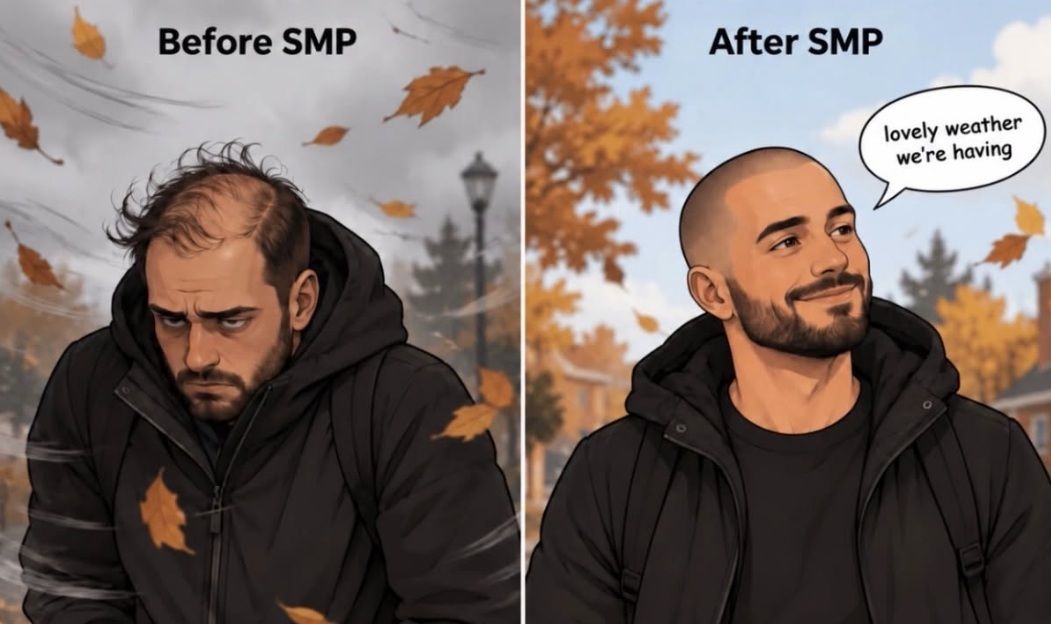

Alopecia in Women and Scalp Micropigmentation Treatment
There is no one face of alopecia, as the condition can affect anyone, regardless of age, gender, or race. However, women with alopecia often face unique challenges and stereotypes. Because hair is often seen as a symbol of femininity, women with alopecia may feel like they are not meeting social expectations of what it means to be a woman. They may also feel like they are not attractive or desirable.
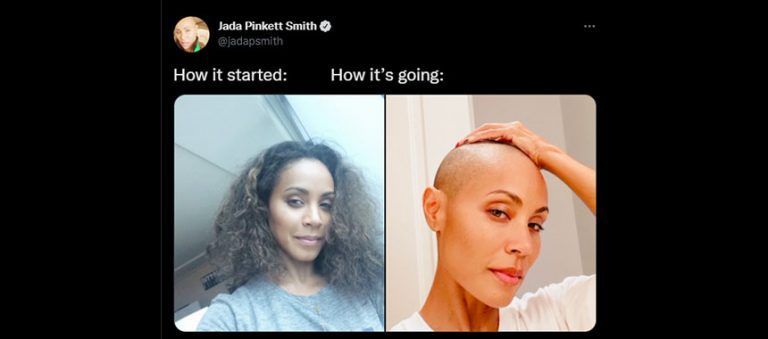
In addition, women with alopecia may have a hard time finding hair products and styles that work for them. They may also feel self-conscious about their appearance and worry about how others will react to their baldness. However, it is important to remember that alopecia does not define a person, and there are many ways to be beautiful and confident without hair.
What is Alopecia?
Alopecia causes hair loss and comes in many forms. Alopecia Areata is an autoimmune disease that may cause hair loss on any part of the body. It can affect both men and women. With Alopecia Areata, the body actually attacks the hair follicles, causing unpredictable hair loss and regrowth cycles. The lost hair may regrow without treatment but can also leave some bald areas or patchy hair growth.
Androgenetic Alopecia is commonly referred to as pattern hair loss. It’s one of the most common types of Alopecia. It’s a genetic condition that is characterized by heightened androgen activity in the body. Androgen is the hormone that’s responsible for the growth and reproduction of hair follicles in both men and women.
Alopecia in women is typically more common after menopause. Women differ from men because they rarely go bald due to alopecia. Female pattern hair loss (FPHL) usually begins with thinning at the parting line of the hair before it gradually spreads throughout the top of the head.
What Causes Alopecia?
While genetics are the main factor when it comes to alopecia, there are some other hormone-related factors such as:
- Birth control medication
- Pregnancy
- Ovarian cysts
- Menopause
The Scale of Female Pattern Baldness
There are three types of general types of female pattern hair loss, according to Ludwig’s Scale. These are:
- Type I – thinning of the hair in the scalp is noticeable
- Type II – the hair loss is more pronounced and the scalp is easily seen
- Type III – baldness within the crown of the scalp
Treatments
While there’s currently no cure for alopecia at this time, there are some treatments available to help with hair loss.
Anti-androgens
An anti-androgen is a type of hormone therapy that stops the overproduction of androgen to regulate hair loss. This type of treatment is usually prescribed to women with hormonal disorders such as Polycystic Ovary Syndrome or PCOS. There are some possible side effects when taking anti-androgens, such as an increased risk of depression, low sex drive, fatigue, and diarrhea.
Minoxidil
Currently, Minoxidil is the only FDA-approved OTC topical drug available to treat hair loss. Minoxidil can be found in 2% and 5% formulas. Minoxidil reduces hair loss and stimulates new hair growth but it’s not a permanent solution to hair loss. In order for it to continue to be effective, you need to continue to use Minoxidil.
Hair Transplant
Hair transplants are surgical procedures where small pieces of scalp and hair are removed from a donor area and transplanted to the thinning or balding areas.
Wigs
Different types of wigs can be used depending on the affected area, such as hair toppers for the crown, fringes and lace front wigs for thinning hairlines, and hair extensions for the bald or thinning spots.
However, it should be noted that hair extensions can make alopecia worse due to pulling and traction.
Scalp Micropigmentation (SMP)
Scalp micropigmentation, or SMP for alopecia, is a non-invasive treatment that utilizes microneedles to insert pigments through the upper dermis of the skin. It’s similar to microblading and adds density to thinning areas by tattooing ink that mimics hair follicles onto the scalp. Scalp micropigmentation can be applied to both short and long hair.
SMP doesn’t have the same risks or side effects as other treatments. It’s also much less painful than hair transplants. Scalp micropigmentation takes between 2-4 sessions depending on the severity of the hair loss. However, clients see improvements from the very first session.
Scalp micropigmentation also has very little recovery time and lasts for years.
The Scalp Micropigmentation Experts
At SMP Ink , we have over a decade of experience and hundreds of happy clients. Our scalp micropigmentation technicians are experts in their field and you’ll be able to tell from their work and attention to detail. Contact us for a free consultation .