

Causes of Teenage Hair Loss

shiftframe • May 10, 2023

Hair loss may be more common among adult men and women, but some teenagers may also experience hair loss. Teenagers undergo many physical changes as they grow through puberty, which can trigger underlying conditions or cause bodily changes that can result in hair loss.
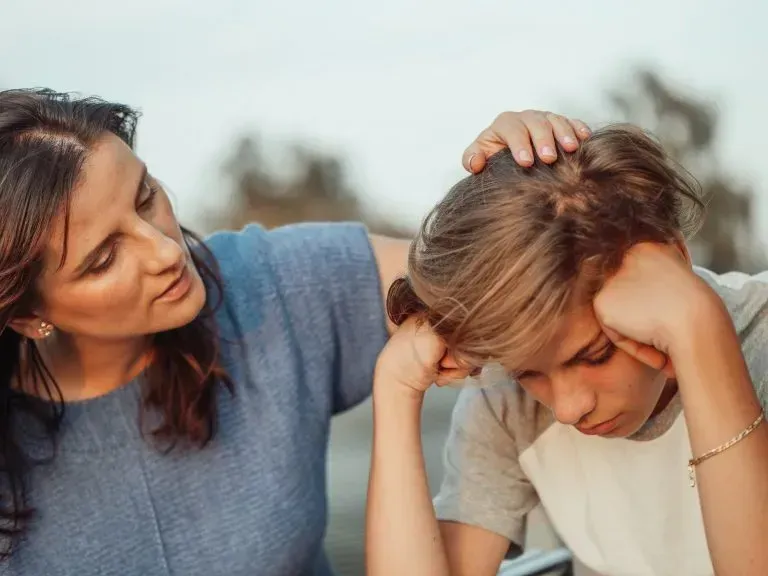
Alopecia Areata

An autoimmune condition called Alopecia Areata can cause hair to fall out in patches. Autoimmune conditions develop when your body mistakes healthy cells for harmful invaders. With Alopecia Areata, your immune system attacks your hair follicles, and you may notice hair loss on the scalp, eyebrows, eyelashes, or body.

Malnutrition

Various factors can cause a lack of proper nutrition: poor eating, overeating, lack of access to food, dietary imbalances, eating disorders, or digestive conditions. If you lack the following nutrients, you may experience hair loss. We’ll also list a few food items rich in each nutrient to give you an idea of what to add to your diet.

  • Vitamin D: Salmon, Canned Tuna, Egg Yolks, Mushrooms, and Cod Liver Oil
  • Folic Acid: Asparagus, Leafy Greens, Citrus Fruits, Broccoli, and Eggs
  • Vitamin E: Almonds, Avocado, Sunflower Seeds, Salmon, and Mango
  • Iron: Shellfish, Spinach, Legumes, Red Meat, and Pumpkin Seeds
  • Vitamin C : Cantaloupe, Kale, Kiwi, Broccoli, and Strawberries
  • Selenium: Pork, Turkey, Spinach, Mushrooms, and Bananas
  • Vitamin A: Spinach, Carrots, Salmon, Eggs, and Whole Milk
  • Zinc: Red Meat, Legumes, Seeds, Eggs, and Whole Grains
  • Niacin: Liver, Chicken, Turkey, Avocado, and Brown Rice
  • Biotin: Carrots, Almonds, Eggs, Berries, and Halibut

Medications

There are a variety of medications or medical treatments that can cause hair loss. Be sure to consult your primary care provider if you experience extreme hair loss or other concerning side effects: 

  • Acne medications
  • Oral birth control
  • Antidepressants
  • Chemotherapy
  • Antibiotics

Hormones

As hormones naturally surge when kids hit puberty, this is also the time for hormone-related conditions to awaken. Two of the most common hormone-related conditions are Polycystic Ovary Syndrome (PCOS) and Thyroid conditions, both primarily affecting teenage girls:

  • PCOS: Polycystic Ovary Syndrome is a common female health issue that leads to excess androgen levels. It’s normal for women to produce hormones like testosterone, but when they produce too much, it can lead to symptoms like disrupted cycles, acne, and thinning hair. PCOS doesn’t have a cure, but it can be managed; check out Natural Ways to Treat PCOS
  • Thyroid Problems: Hyperthyroidism and hypothyroidism can be common among girls. Hair loss will only typically follow severe forms of thyroid dysfunction. In milder cases, the hair will likely be unaffected.

Stress

The physical and emotional changes teenagers experience can cause extreme stress, leading to hair loss. Psychological stress can significantly contribute to hair loss, but stress can come from other things like; surgery, pregnancy, extreme dieting, or major illness. Some teens and pre-teens (typically between 10 and 13) can also suffer from Trichotillomania , where people feel the overwhelming need to pull their hair in this psychological disorder.

SMP INK

While we at SMP INK can’t currently help your teenager, we wanted to share some information that may give you answers to why your teenager is losing their hair! We left some helpful tips and links to more in-depth knowledge for you to find. If you are an adult suffering from hair loss, our team at SMP INK can help! Book your free consultation today!
By Marvin Furrow • September 26, 2026
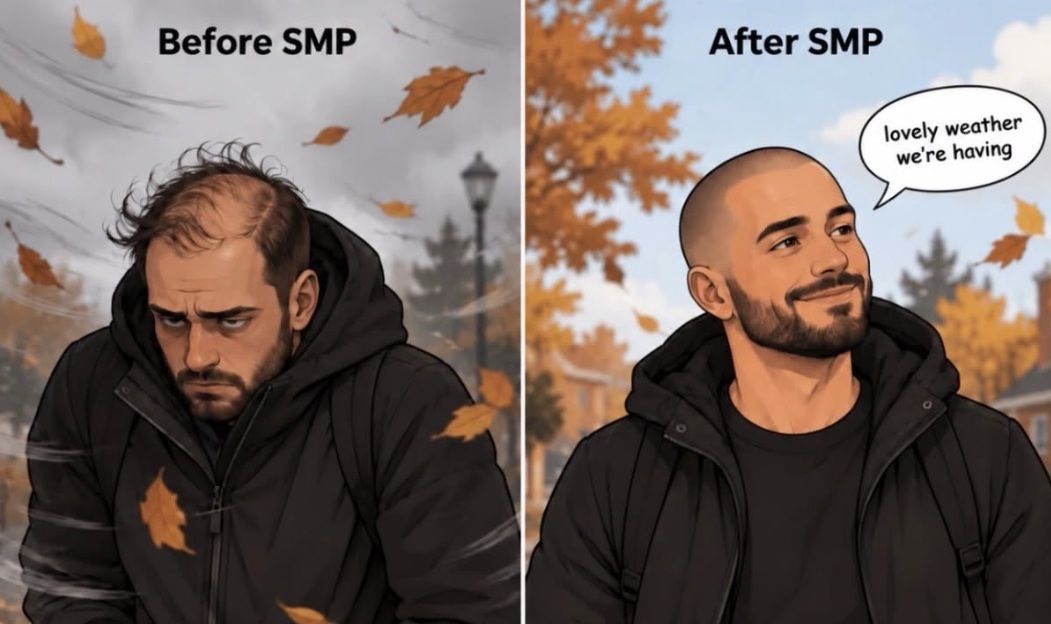
Can Scalp Micropigmentation Fix a Bad Hair Transplant? A hair transplant can be life-changing when it goes well. But sometimes the final result still leaves visible scars, thin areas, or uneven density. Scalp micropigmentation (SMP) can help improve the appearance of many hair transplant concerns by adding realistic pigment impressions that blend with your existing hair and reduce the contrast between the scalp and surrounding follicles. SMP does not regrow hair or physically repair a transplant. Instead, it can make certain problem areas look fuller, more balanced, and less noticeable. SMP for Low-Density Hair Transplants One of the most common concerns after a hair transplant is that the result still looks thin. Even when transplanted hair grows successfully, there may not be enough density to fully hide the scalp, especially under bright lighting or around the crown. SMP can be placed between existing hairs to reduce visible scalp and create the appearance of greater density. This is often called density SMP and can work well alongside both natural and transplanted hair. Can SMP Hide FUE and FUT Scars? Hair transplant procedures can leave different types of scarring. FUE procedures may leave small dot-like scars throughout the donor area, while FUT procedures can leave a more noticeable linear scar across the back of the scalp. SMP can help camouflage both by blending pigment into the surrounding area and reducing the contrast between scar tissue and the scalp. The scar itself does not disappear, but it can become much less noticeable, particularly with shorter hairstyles. Improving Uneven Donor Areas Some people are left with patchy or overharvested donor areas after a hair transplant. When too much scalp becomes visible between the remaining hairs, SMP can help create a more consistent appearance throughout the area. By adding follicle-like impressions where density is lacking, SMP can make the donor area look more balanced without another surgical procedure. Can SMP Improve an Unnatural Hairline? In some cases, yes. If the hairline looks thin , inconsistent, or lacks density, SMP can help soften the transition and create a fuller appearance. However, SMP cannot reposition transplanted hairs or change the direction they grow. If the issue is related to the placement of the grafts themselves, surgical correction may still be needed. SMP and Hair Transplants Can Work Together A hair transplant and SMP do two different things. A hair transplant adds real, growing hair. SMP helps create the appearance of additional density underneath and around that hair. For some people, using both treatments can create a more complete result than either one alone. SMP may also be used specifically to improve donor scars or areas where the scalp still shows through after a transplant. When SMP May Be a Good Option SMP may be worth considering if your hair transplant has left you with: Visible FUE scars An FUT strip scar Thin or low-density areas Patchy donor areas Visible scalp between transplanted hairs An uneven overall appearance The scalp should be fully healed before SMP is performed, particularly following a recent transplant. Hair Transplant SMP in Scottsdale, Arizona Every hair transplant result is different. At SMP INK AZ , we use scalp micropigmentation to help blend visible scars, improve the appearance of thinning areas, and create a more consistent look across the scalp. If you're unhappy with the appearance of a previous hair transplant, schedule a consultation with SMP INK AZ in Scottsdale to find out whether SMP can help improve your result.
marrvin furrow smp ink az owner and Mr. Universe
By Marvin Furrow • June 21, 2026
Considering SMP in Scottsdale? See why scalp micropigmentation is a low maintenance option for thinning hair, shaved styles, and summer confidence.