

Pre and Post Scalp Micropigmentation Care Tips

shiftframe • September 24, 2020

Both men and women struggle with pattern baldness. Thankfully, there are many options for those struggling with hair loss. These options range from home remedies to medications to surgeries. However, there’s another option that has been gaining popularity recently. That option is scalp micropigmentation or SMP. SMP is a scalp tattoo. This option allows people to look like they have a full head of hair without undergoing any surgical procedures. This procedure is non-invasive and has a much faster recovery time than a hair transplant surgery. There are also fewer complications involved. However, hair tattooing is still a procedure, and like any procedure, there must be some preparation and aftercare involved. Continue reading to find out the preparation and aftercare tips to see if SMP is right for you.
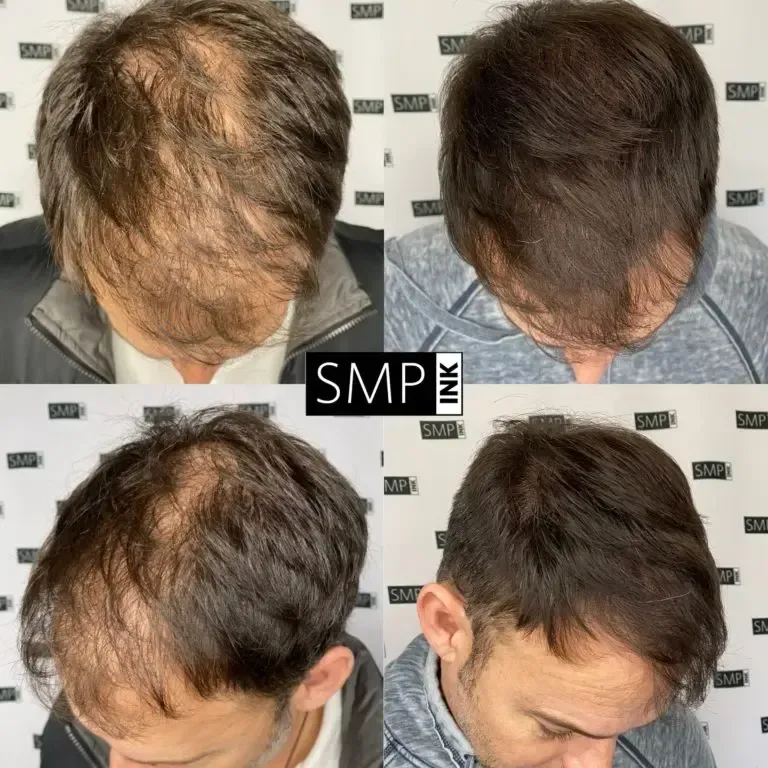
SMP Preparation

Two Days Before

As with most procedures, it is recommended that you abstain from alcohol for at least 48 hours before the procedure. Since alcohol is a blood thinner, it’ll make you bleed more. Avoid certain medications, such as aspirin and ibuprofen, since these medications can prevent blood clotting, causing you to bleed. Certain drinks, such as tea, coffee, and energy drinks, should also be avoided since they are also blood thinners.

The Night Before

Be sure to get a good night’s sleep to prepare for the operation. You should also make sure that you are well hydrated at least a day before the procedure so that your scalp accepts the ink better. Remove dead skin cells by exfoliating your scalp the day before the operation.

The Day Of

Have a well-balanced breakfast on the day of your operation. It’s also recommended to wash your head since you won’t be able to take a shower for a little while after the operation. Refrain from exercising or adding any oily, waxy products to your scalp. Excess oil can prevent the pigment from retaining.

SMP Post-Procedure Tips

Remember that your scalp will be sensitive for a few days after the procedure. Although scalp micropigmentation is non-invasive, there are still some aftercare measures you need to take.

Immediate Aftercare

Make sure your head isn’t exposed to water. Avoid activities such as swimming, showering, and exercising. Avoid activities that may cause you to sweat, such as hiking, sauna, and others. Three days after the procedure, you can wash your head without soap or shampoo. You can use a mild soap or shampoo after one week. 

It’s perfectly natural for your scalp to itch as it heals. Be sure not to pick at it or scratch it. Allow it to heal on its own to prevent the spread of bacteria and ensure the pigment stays.

Long-Term Aftercare

Avoid prolonged exposure to the sun for at least a month after the procedure. If you can’t avoid going out when the sun’s out, apply sunscreen and wear some type of covering. 

Be sure to moisturize the tattooed area with a lightweight cream or gel to help the micropigmentation settle. Skip any type of tanning for a while, whether through sun exposure or tanning products, because it might quickly fade the pigment.

The second session of your SMP should happen about a week after the first. Once your scalp has fully healed, the ink should last about five years. This depends on your skin and the lifestyle you live.  

Get the Procedure Done by a Trusted Source

Although scalp micropigmentation is non-invasive, you should only get the procedure done by a specialist with SMP certification. SMP Ink has over ten years of experience in the scalp micropigmentation procedure. Our experts can help you rebuild your confidence. Contact us for a free consultation.
By Marvin Furrow • September 26, 2026
Can Scalp Micropigmentation Fix a Bad Hair Transplant? A hair transplant can be life-changing when it goes well. But sometimes the final result still leaves visible scars, thin areas, or uneven density. Scalp micropigmentation (SMP) can help improve the appearance of many hair transplant concerns by adding realistic pigment impressions that blend with your existing hair and reduce the contrast between the scalp and surrounding follicles. SMP does not regrow hair or physically repair a transplant. Instead, it can make certain problem areas look fuller, more balanced, and less noticeable. SMP for Low-Density Hair Transplants One of the most common concerns after a hair transplant is that the result still looks thin. Even when transplanted hair grows successfully, there may not be enough density to fully hide the scalp, especially under bright lighting or around the crown. SMP can be placed between existing hairs to reduce visible scalp and create the appearance of greater density. This is often called density SMP and can work well alongside both natural and transplanted hair. Can SMP Hide FUE and FUT Scars? Hair transplant procedures can leave different types of scarring. FUE procedures may leave small dot-like scars throughout the donor area, while FUT procedures can leave a more noticeable linear scar across the back of the scalp. SMP can help camouflage both by blending pigment into the surrounding area and reducing the contrast between scar tissue and the scalp. The scar itself does not disappear, but it can become much less noticeable, particularly with shorter hairstyles. Improving Uneven Donor Areas Some people are left with patchy or overharvested donor areas after a hair transplant. When too much scalp becomes visible between the remaining hairs, SMP can help create a more consistent appearance throughout the area. By adding follicle-like impressions where density is lacking, SMP can make the donor area look more balanced without another surgical procedure. Can SMP Improve an Unnatural Hairline? In some cases, yes. If the hairline looks thin , inconsistent, or lacks density, SMP can help soften the transition and create a fuller appearance. However, SMP cannot reposition transplanted hairs or change the direction they grow. If the issue is related to the placement of the grafts themselves, surgical correction may still be needed. SMP and Hair Transplants Can Work Together A hair transplant and SMP do two different things. A hair transplant adds real, growing hair. SMP helps create the appearance of additional density underneath and around that hair. For some people, using both treatments can create a more complete result than either one alone. SMP may also be used specifically to improve donor scars or areas where the scalp still shows through after a transplant. When SMP May Be a Good Option SMP may be worth considering if your hair transplant has left you with: Visible FUE scars An FUT strip scar Thin or low-density areas Patchy donor areas Visible scalp between transplanted hairs An uneven overall appearance The scalp should be fully healed before SMP is performed, particularly following a recent transplant. Hair Transplant SMP in Scottsdale, Arizona Every hair transplant result is different. At SMP INK AZ , we use scalp micropigmentation to help blend visible scars, improve the appearance of thinning areas, and create a more consistent look across the scalp. If you're unhappy with the appearance of a previous hair transplant, schedule a consultation with SMP INK AZ in Scottsdale to find out whether SMP can help improve your result.
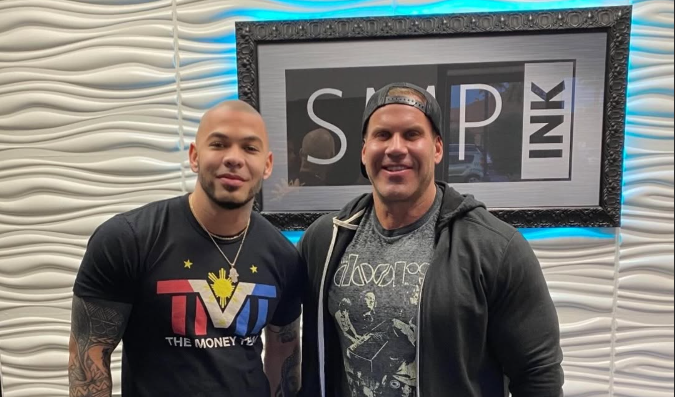
marrvin furrow smp ink az owner and Mr. Universe
By Marvin Furrow • June 21, 2026
Considering SMP in Scottsdale? See why scalp micropigmentation is a low maintenance option for thinning hair, shaved styles, and summer confidence.