

Busting Myths About Scalp Micropigmentation

shiftframe • November 3, 2022

Scalp Micropigmentation (SMP) is a non-surgical treatment that uses microneedles to embed pigment into the scalp. When done correctly, this treatment will mimic the appearance of hair follicles. SMP has only recently become more accepted and is relatively new to many people, which comes with skepticism and myths. Let’s go through some myths and the truth behind them.
SMP is Only for Bald Men

In the wise word of Dwight Schrute, “False!” 

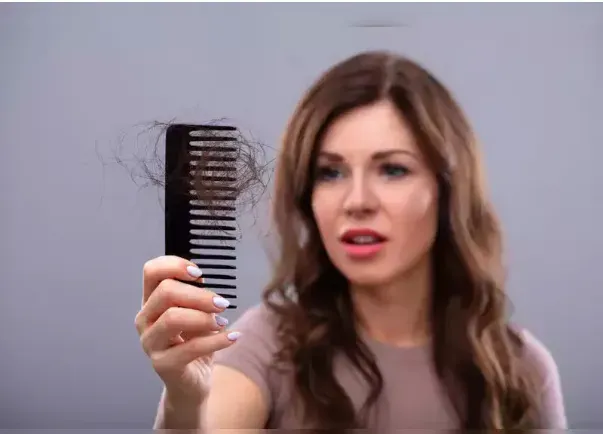
Almost anyone can undergo SMP treatment. Scalp micropigmentation can provide a thicker appearance to the hair by increasing its density. While most SMP clientele is men, it doesn’t mean that women can’t take advantage of SMP. Many women suffer from hair loss, and some opt for SMP to thicken their hair.

SMP Looks Fake

The truth is that this myth is somewhat justified, given that SMP treatment can look unrealistic if the procedure isn’t performed correctly. However, SMP will appear to be incredibly genuine IF done by an experienced and skilled practitioner with the right equipment and technique. SMP treatment will look natural from every angle if done correctly.

SMP is Super Painful

Compared to a traditional tattoo, an SMP happens to be much less painful. Certain areas of our scalp tend to be sensitive, especially near your hairline or scars. However, many clients claim they feel almost nothing during the procedure, and some fall asleep. 

Many clients sit around 1 to 4 on a 1-10 pain scale, but there are a few factors that affect pain levels:

  • Your pain tolerance
  • The area of your scalp being treated
  • The condition and physical makeup of your scalp
  • Pre-procedure anxiety

It Fades Quickly

The average longevity of an SMP will be around 4 to 6 years, although some clients will want a SMP touch-up after two years or so. There will be “initial fading” for a few months after your procedure as the treatment settles and you learn how to maintain it to help it last longer. The longevity of your SMP depends on numerous factors:

  • The expertise of the SMP practitioner
  • How well you follow aftercare instructions
  • Time spent in chlorine or ocean water
  • Sun/UV light exposure

SMP is Just a Scalp Tattoo

There are a few differences between traditional tattoos and SMP, but the most significant difference is the pigment implant depth. SMP treatment needs to be implanted in the upper level of the Dermis layer of your skin; traditional tattooing goes deeper into the second Dermis later. The upper layer of the Dermis holds the shape of the pigment, while the deeper layer can make the pigment more blurred. Traditional tattoos don’t need such control of the pigment shape. 

Traditional tattoo needles are larger and smoother than SMP needles, AND the pigment types are much different. SMP pigments are plant-based and require fewer chemicals since vibrant colors aren’t necessary for SMP treatment. Allergic reactions are less likely to occur because of the different ingredients in the pigment. 

Scalp Micropgimentation from SMP Ink

Anyone could benefit from SMP treatment. It is a less painful and less invasive option than a hair transplant and could truly change your life in many ways. If you are curious about scalp micropigmentation, then give us a call! We at SMP INK are happy to answer questions and potentially change your life!

By Marvin Furrow • September 26, 2026
Can Scalp Micropigmentation Fix a Bad Hair Transplant? A hair transplant can be life-changing when it goes well. But sometimes the final result still leaves visible scars, thin areas, or uneven density. Scalp micropigmentation (SMP) can help improve the appearance of many hair transplant concerns by adding realistic pigment impressions that blend with your existing hair and reduce the contrast between the scalp and surrounding follicles. SMP does not regrow hair or physically repair a transplant. Instead, it can make certain problem areas look fuller, more balanced, and less noticeable. SMP for Low-Density Hair Transplants One of the most common concerns after a hair transplant is that the result still looks thin. Even when transplanted hair grows successfully, there may not be enough density to fully hide the scalp, especially under bright lighting or around the crown. SMP can be placed between existing hairs to reduce visible scalp and create the appearance of greater density. This is often called density SMP and can work well alongside both natural and transplanted hair. Can SMP Hide FUE and FUT Scars? Hair transplant procedures can leave different types of scarring. FUE procedures may leave small dot-like scars throughout the donor area, while FUT procedures can leave a more noticeable linear scar across the back of the scalp. SMP can help camouflage both by blending pigment into the surrounding area and reducing the contrast between scar tissue and the scalp. The scar itself does not disappear, but it can become much less noticeable, particularly with shorter hairstyles. Improving Uneven Donor Areas Some people are left with patchy or overharvested donor areas after a hair transplant. When too much scalp becomes visible between the remaining hairs, SMP can help create a more consistent appearance throughout the area. By adding follicle-like impressions where density is lacking, SMP can make the donor area look more balanced without another surgical procedure. Can SMP Improve an Unnatural Hairline? In some cases, yes. If the hairline looks thin , inconsistent, or lacks density, SMP can help soften the transition and create a fuller appearance. However, SMP cannot reposition transplanted hairs or change the direction they grow. If the issue is related to the placement of the grafts themselves, surgical correction may still be needed. SMP and Hair Transplants Can Work Together A hair transplant and SMP do two different things. A hair transplant adds real, growing hair. SMP helps create the appearance of additional density underneath and around that hair. For some people, using both treatments can create a more complete result than either one alone. SMP may also be used specifically to improve donor scars or areas where the scalp still shows through after a transplant. When SMP May Be a Good Option SMP may be worth considering if your hair transplant has left you with: Visible FUE scars An FUT strip scar Thin or low-density areas Patchy donor areas Visible scalp between transplanted hairs An uneven overall appearance The scalp should be fully healed before SMP is performed, particularly following a recent transplant. Hair Transplant SMP in Scottsdale, Arizona Every hair transplant result is different. At SMP INK AZ , we use scalp micropigmentation to help blend visible scars, improve the appearance of thinning areas, and create a more consistent look across the scalp. If you're unhappy with the appearance of a previous hair transplant, schedule a consultation with SMP INK AZ in Scottsdale to find out whether SMP can help improve your result.
marrvin furrow smp ink az owner and Mr. Universe
By Marvin Furrow • June 21, 2026
Considering SMP in Scottsdale? See why scalp micropigmentation is a low maintenance option for thinning hair, shaved styles, and summer confidence.