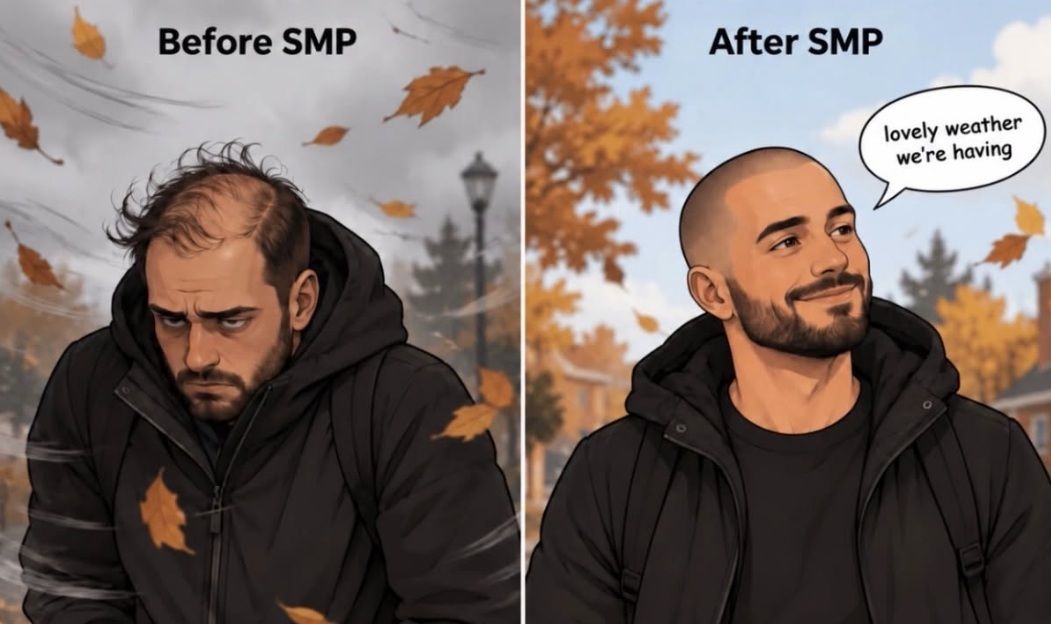

10 Surprising Reasons for Hair Loss
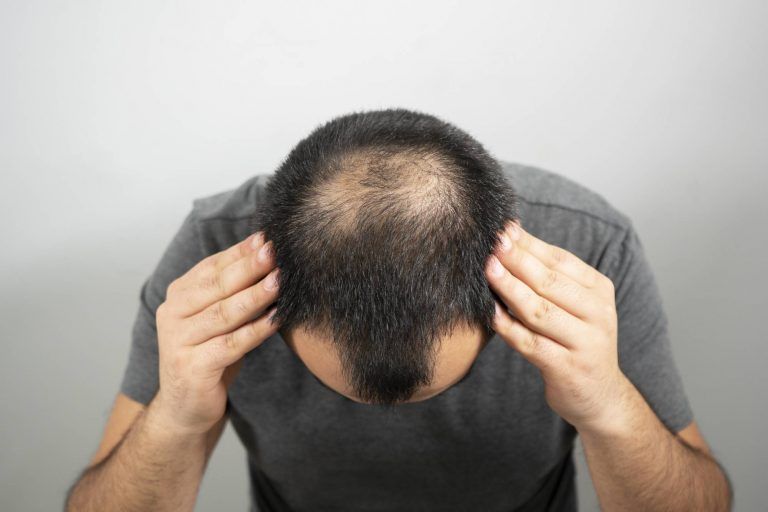
Hair loss can be frustrating and embarrassing, especially when you have no idea why you’re losing hair. Humans lose about 100 strands of hair PER DAY, and when your body makes decisions for you, it can cause your hair growth to slow or stop altogether. There are MANY other reasons why you’re losing your hair. We hope you find the answer you’re looking for within our article and some solutions to your hair loss.
Too Little Protein
Protein is necessary for many aspects of your bodily function, which includes your hair! Hair is made up of protein, and when you’re not getting enough protein in your diet, your body needs to ration its protein to where it is most needed, which is unfortunately not your hair.
You Lost A LOT of Weight
Telogen effluvium , a common type of hair loss from stress, can also occur if you lose too much weight too quickly. The best way to counteract the hormone imbalance is to ensure that you’re eating enough in general with enough protein.
You’re Stressed Out!
When you’re under stress, your hormone levels can be disrupted. The hormonal imbalance might send your hair follicles into a “resting” phase where they don’t produce new hair, yet you lose up to about 100 strands daily. Over time, the stress can make your hair appear thinner than usual. Try relaxation techniques or consider speaking to a therapist to control stress levels.
Heat Damage
Styling your hair too often with hot tools can cause heat damage which can thin your hair. The more you expose your hair to high heat levels, the more hair breakage occurs. While it won’t necessarily cause hair loss, the breakage can lead to the appearance of thinner hair. Make sure you use a quality heat protectant spray before styling your hair. There are also heat-free methods to style your hair which YouTube has an abundance of for men and women of different hair textures.
Anemia
Anemia is a condition where the body produces too few healthy red blood cells. Since the hair needs so many vitamins and nutrients to keep it healthy, an iron deficiency could cause slowed growth, leading to thinning hair.
Too Much Vitamin A
Vitamin A helps with regulating the immune and reproductive systems. It also helps with healthy skin, teeth, and hair. Too much can send the hair follicles into overdrive, produce hair too quickly, and quickly reach the end of the growth phase, resulting in hair loss.
Too Little Vitamin B
B vitamins, like biotin, are essential for healthy hair growth. If your body doesn’t have enough Vitamin B, your body rations the amount of Vitamin B your hair receives, resulting in thinning hair. Incorporate more Vitamin B-rich foods such as:
- Salmon
- Leafy greens like spinach
- Eggs
- Legumes
Your Medication
Certain medications can increase the chances of hair loss. Heart medications such as blood pressure, thinners, and beta-blockers can lead to hair loss.
Your Thyroid
The thyroid regulates many of the body’s functions. Sometimes, the thyroid produces too much or too little thyroid hormone. Hair development at the root can stop if your thyroid produces lower- or higher-than-normal amounts of the hormone.
PCOS
Polycystic Ovary Syndrome, or PCOS, is a common hormonal disorder that affects the ovaries during the reproductive stage of life. Women with PCOS tend to have excessive male hormones, known as androgens. High levels of androgens can result in male-pattern hair loss.
It could also be as simple as ‘bad’ genetics if hair loss happens to other family members. This list is only 10 of the many reasons that could cause hair loss, but this is a good starting point and could help you in your research. There are some treatment options depending on the reason for your hair loss:
- Topical medications
- Hair transplant surgery
- Scalp micropigmentation
Scalp micropigmentation could be right for you! It’s not as invasive as hair transplant surgery and is more permanent than topical medications. We at SMP INK are happy to answer any questions you have about scalp micropigmentation, so don’t hesitate to connect with us !