Hair Loss Support Groups & Organizations
Experiencing hair loss can be traumatic and bring down your self-esteem. You’re not alone in this experience! There are various hair loss support groups and organizations that can help you find community, helpful resources, and more!
National Alopecia Areata Foundation (NAAF)
Alopecia Areata is an autoimmune condition in which the body’s immune system attacks the hair follicles, leading to hair loss all over the scalp and other parts of the body. The National Alopecia Areata Foundation, or NAAF, is a non-profit organization that provides the most up-to-date information about alopecia areata. You’ll find support groups for adults and children, upcoming conferences, free webinars, and the ability to search for dermatologists specializing in hair loss.
American Academy of Dermatology
The American Academy of Dermatology(AAD) is a resource center with detailed information about various types of alopecia, including causes of hair loss, self-care tips, and cosmetic treatment options. The AAD is committed to advancing the diagnosing and improving medical, surgical, and cosmetic treatment of the skin, hair, and nails. They also advocate for higher standards in clinical practice, education, and research in dermatology while supporting and enhancing the patient experience for a lifetime of healthier skin, hair, and nails.
Bald Girls Do Lunch
Bald Girls Do Lunch has helped thousands of women with alopecia feel empowered and accepted through events like friendly lunches and informal gatherings across the United States. The organization strives to boost self-esteem and self-confidence through various channels, including shopping links for hair loss-related products, information about special events, and fun video shoots to celebrate women in all stages of hair loss. Their highest priority is ensuring every woman with alopecia gets the support they need to restore self-confidence and thrive!
Autoimmune Association
The Autoimmune Association has been a pioneer in aiding autoimmune patients, sponsoring research, and advocating for access to healthcare for over 30 years. This non-profit organization can help you find a trusted specialist, coping tools, support for caregivers, and ways to find local support groups.
Children’s Alopecia Project
The Children’s Alopecia Project provides everything from get-togethers to overnight camps to larger international gatherings like Alopeciapalooza in Maine. Parents can shop for alopecia awareness gear like hats, jewelry, and hoodies and browse their directory of local Facebook groups to find support close to home. They also share educational blogs sharing information from healthy diet tips to helping minors cope with anxiety and hair loss.
American Hair Loss Association
The American Hair Loss Association encompasses all forms of hair loss, from alopecia areata to female/male pattern baldness. The AHLA website provides alopecia-related book recommendations, links to research on medication and treatments, message boards, and help you find a local hair loss specialist. They’re committed to educating and improving the lives affected by hair loss by creating awareness in the medical community, media, and society.
The Women’s Hair Loss Project
Dedicated to bringing women facing hair loss together, the Women’s Hair Loss Project is a source of support, encouragement, and empathy for women navigating the challenges and stress of hair loss. Their mission is to offer understanding and support to women coping with hair loss while breaking barriers and stigmas surrounding this often overlooked issue. They provide support and resources through their website and podcast, which you can find on iTunes and Spotify.
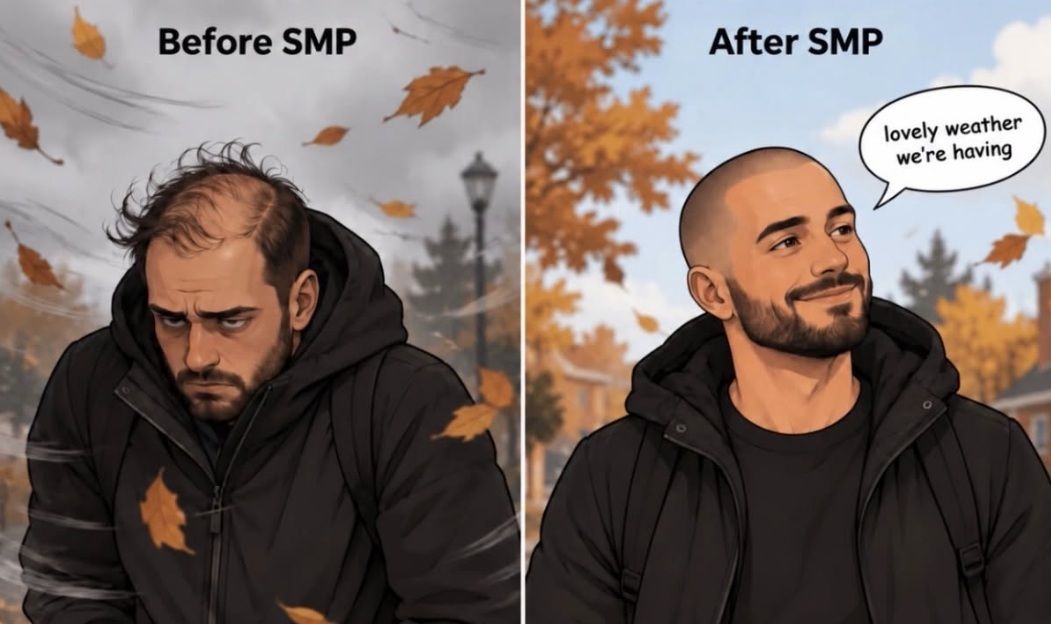
SMP INK is here to help!
At SMP INK, we understand the challenges and emotional struggles of experiencing hair loss. We strive to help people become more confident and thrive through our Las Vegas scalp micropigmentation services. If you’re looking for a different approach to your hair loss, book a free consultation with SMP INK today!