

Myth or Fact: Wearing Hats Cause Hair Loss

postlaunch • July 16, 2024

There’s a lot of speculation about what causes hair loss. From thanking your dad for poor genetics to improper hair care, there are MANY reasons you’re experiencing hair loss, but is your favorite hat the culprit? Let’s find out!
Understanding Hair Loss

Experiencing hair loss is highly distressing for men and women alike. There are various reasons you may be experiencing hair loss, but before we jump into busting myths, let’s talk about common causes of hair loss:

  • Genetics is the most common cause of hair loss in men and women. You probably have it in your genes if your lineage has multiple people with thinning hair or naked scalps.
  • Alopecia , an umbrella term for varying conditions characterized by hair loss, is also a widespread cause of hair loss.
  • Aging is a natural process that can impact our hair follicles as we age.
  • Hormonal Changes such as menopause and pregnancy can cause hair loss.
  • Underlying Medical Conditions , including thyroid issues, autoimmune diseases, and scalp infections, can also cause hair loss.

 There are a few other surprising but uncommon reasons you may be experiencing hair loss, which you can learn more about here: 10 Surprising Reasons for Hair Loss.

Your Favorite Hat & Hair Loss

Two things frequently come up when it comes to hat-wearing and hair loss.

Traction Alopecia

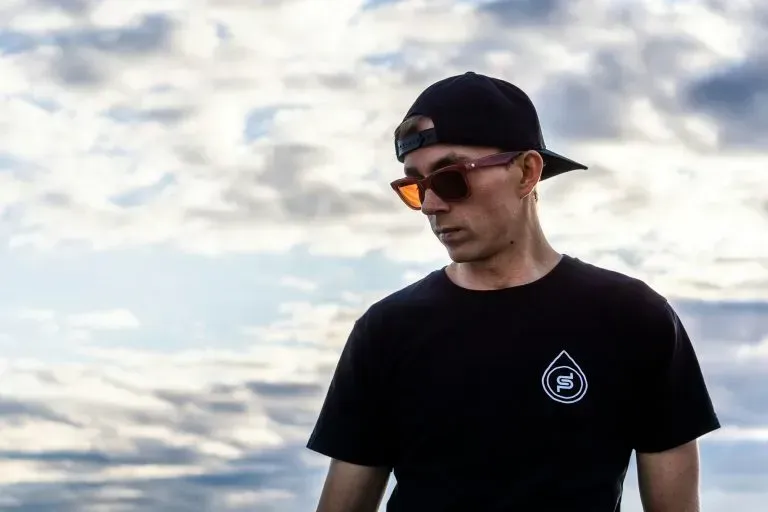
Hair loss brought on by persistent tension on the hair follicles is called Traction Alopecia. You may have heard that many women in the military experience Traction Alopecia because they consistently need their hair pulled back into tight buns or ponytails. Traction alopecia can also occur if you frequently wear ill-fitting headgear like a too tight helmet, which is where the hat-related hair loss myth originated. Hair loss can be avoided by wearing headgear and hats that fit your head correctly.

Scalp Breathability

A common misconception is that wearing hats regularly can block the scalp’s ability to breathe and cause hair loss. Our bloodstream and a healthy blood flow provide nutrients to the hair follicles. Thus, the scalp doesn’t need air to develop healthy hair.

Myth BUSTED!

Hats can benefit your hair and scalp health by shielding the scalp from UV radiation, dust, and pollution. A frequent misconception is that long-term hair use causes hair loss, but the evidence says otherwise. The pressure of a hat does NOT damage the hair follicles, meaning wearing a hat doesn’t directly cause hair loss. While frequently wearing a too-tight hat can lead to hair breakage, it’s not the main cause of hair loss.

Talk to the scalp experts!

If you’re reading this article, you’ve probably researched the causes of hair loss and treatment options. If you have yet to hear, Scalp Micropigmentation is an excellent option to bring back your confidence with a new, permanent look done by our scalp experts at SMP INK. Don’t hide under
By Marvin Furrow • September 26, 2026
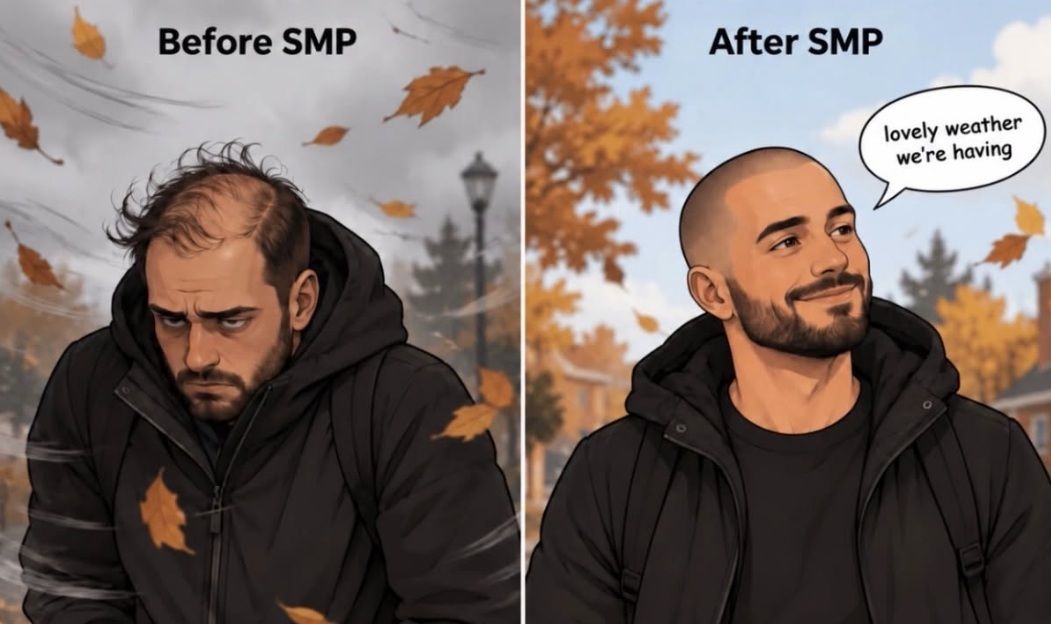
Can Scalp Micropigmentation Fix a Bad Hair Transplant? A hair transplant can be life-changing when it goes well. But sometimes the final result still leaves visible scars, thin areas, or uneven density. Scalp micropigmentation (SMP) can help improve the appearance of many hair transplant concerns by adding realistic pigment impressions that blend with your existing hair and reduce the contrast between the scalp and surrounding follicles. SMP does not regrow hair or physically repair a transplant. Instead, it can make certain problem areas look fuller, more balanced, and less noticeable. SMP for Low-Density Hair Transplants One of the most common concerns after a hair transplant is that the result still looks thin. Even when transplanted hair grows successfully, there may not be enough density to fully hide the scalp, especially under bright lighting or around the crown. SMP can be placed between existing hairs to reduce visible scalp and create the appearance of greater density. This is often called density SMP and can work well alongside both natural and transplanted hair. Can SMP Hide FUE and FUT Scars? Hair transplant procedures can leave different types of scarring. FUE procedures may leave small dot-like scars throughout the donor area, while FUT procedures can leave a more noticeable linear scar across the back of the scalp. SMP can help camouflage both by blending pigment into the surrounding area and reducing the contrast between scar tissue and the scalp. The scar itself does not disappear, but it can become much less noticeable, particularly with shorter hairstyles. Improving Uneven Donor Areas Some people are left with patchy or overharvested donor areas after a hair transplant. When too much scalp becomes visible between the remaining hairs, SMP can help create a more consistent appearance throughout the area. By adding follicle-like impressions where density is lacking, SMP can make the donor area look more balanced without another surgical procedure. Can SMP Improve an Unnatural Hairline? In some cases, yes. If the hairline looks thin , inconsistent, or lacks density, SMP can help soften the transition and create a fuller appearance. However, SMP cannot reposition transplanted hairs or change the direction they grow. If the issue is related to the placement of the grafts themselves, surgical correction may still be needed. SMP and Hair Transplants Can Work Together A hair transplant and SMP do two different things. A hair transplant adds real, growing hair. SMP helps create the appearance of additional density underneath and around that hair. For some people, using both treatments can create a more complete result than either one alone. SMP may also be used specifically to improve donor scars or areas where the scalp still shows through after a transplant. When SMP May Be a Good Option SMP may be worth considering if your hair transplant has left you with: Visible FUE scars An FUT strip scar Thin or low-density areas Patchy donor areas Visible scalp between transplanted hairs An uneven overall appearance The scalp should be fully healed before SMP is performed, particularly following a recent transplant. Hair Transplant SMP in Scottsdale, Arizona Every hair transplant result is different. At SMP INK AZ , we use scalp micropigmentation to help blend visible scars, improve the appearance of thinning areas, and create a more consistent look across the scalp. If you're unhappy with the appearance of a previous hair transplant, schedule a consultation with SMP INK AZ in Scottsdale to find out whether SMP can help improve your result.
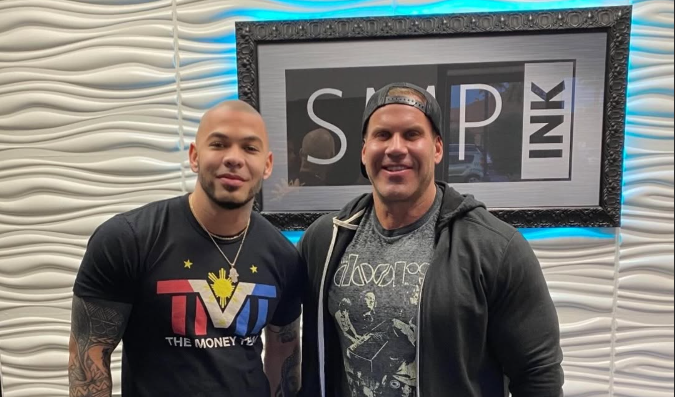
marrvin furrow smp ink az owner and Mr. Universe
By Marvin Furrow • June 21, 2026
Considering SMP in Scottsdale? See why scalp micropigmentation is a low maintenance option for thinning hair, shaved styles, and summer confidence.