

Can Ozempic Cause Hair Loss?

postlaunch • January 13, 2025

By now, you’ve probably heard of Ozempic or similar medications people typically use to control blood sugar and aid in weight loss. There’s a lot of controversy swirling around this topic, including possible side effects such as hair loss. But do these medications actually cause hair loss? Let’s take a look.
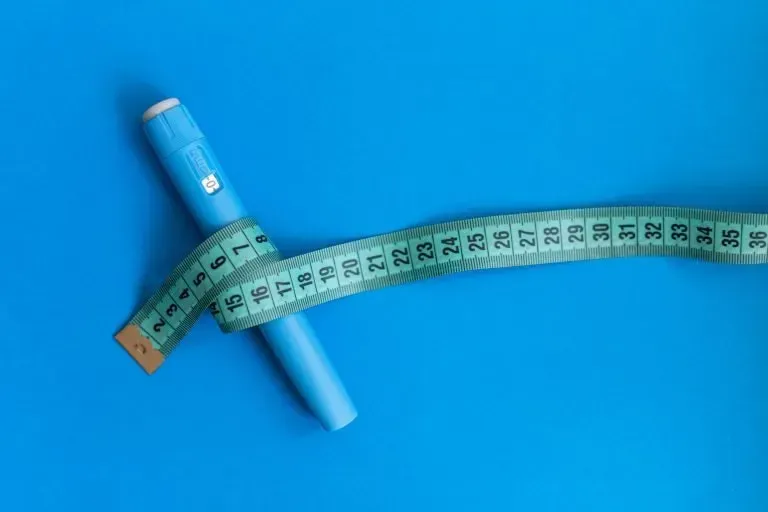
What is Ozempic?

Ozempic is a prescription medication typically administered as a weekly injection primarily used to manage type 2 diabetes. It helps lower blood sugar by boosting insulin release and reducing glucose production. It also slows digestion, which can help control appetite, leading to weight loss in some people. Ozempic has also gained popularity for weight management, though it’s only FDA-approved for diabetes. 

Can Ozempic cause hair loss?

Although it’s not commonly reported, some patients have experienced alopecia while on GLP-1 drugs like Ozempic, but there are a few factors that can contribute to hair loss when using these medications, including:

  • Nutritional Deficiencies: Some individuals may experience nutrient deficiencies while taking Ozempic, especially if they have poor dietary habits. However, Ozempic does decrease appetite, resulting in people eating less, which can decrease the intake of essential vitamins and minerals. Deficiencies in vitamins and minerals essential to hair health, such as biotin, zinc, and iron, can contribute to hair loss.
  • Hormonal Changes: Ozempic works by mimicking the action of a hormone called glucagon-like peptide (GLP-1), which helps regulate blood sugar levels. Hormonal fluctuations, particularly changes in insult levels, may disrupt the hair growth cycle, leading to hair loss.
  • Stress: Managing a chronic condition like diabetes can be stressful, and stress is a known factor in hair loss. Additionally, the emotional distress of experiencing hair loss itself can make it worse.

Hair loss is a reaction to rapid weight loss or underlying nutritional deficiencies rather than the medication itself. Clinical trials, such as Wegovy’s Clinical Trials and The New England Journal of Medicine’s 2022 Study , and many user reports don’t list hair loss as a significant issue. If you are experiencing side effects, please consult your doctor before stopping your medication routine!

What do I do if I experience hair loss?

There are a few things you can do to combat hair loss, such as:

  • Reviewing and adjusting your medication with your doctor.
  • Use gentle hair care products like sulfate-free shampoo, conditioners with natural oils, wide tooth combs, and heat protectant sprays.
  • Maintaining a balanced diet of nutrient-rich foods supports hair growth and strengthens hair follicles.
  • Explore treatments for hair loss, such as topical medications and scalp micropigmentation

Scalp Micropigmentation in Las Vegas

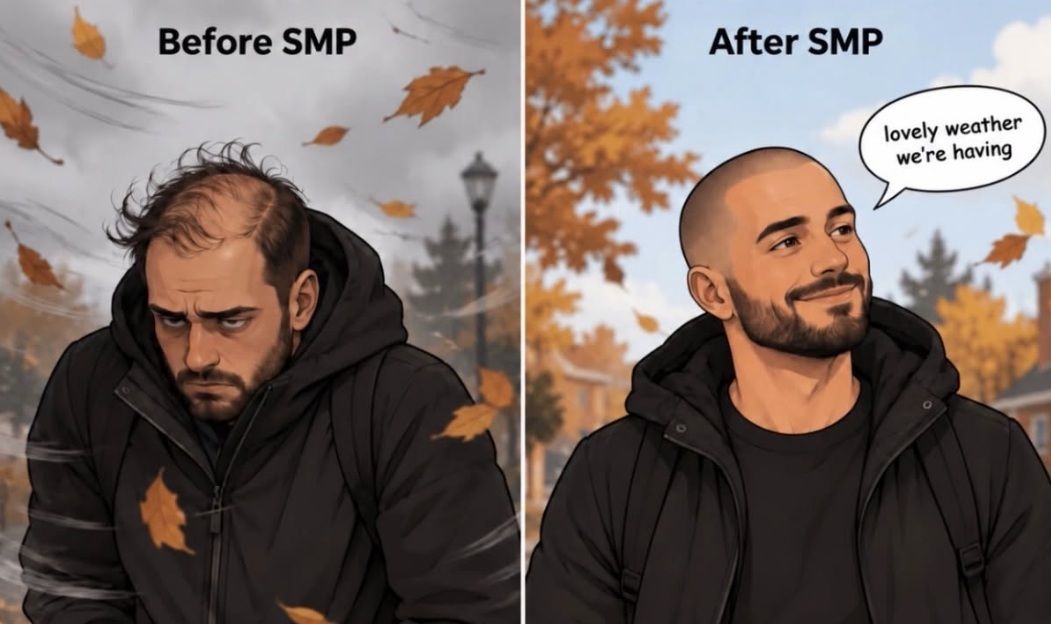
If you are experiencing hair loss of any kind, SMP INK provides services to various people experiencing different types of hair loss! Scalp micropigmentation (SMP) is a non-surgical cosmetic procedure that involves depositing ink dots on the scalp to mimic the appearance of hair follicles, creating the illusion of a fuller head of hair. Call us today to book a FREE consultation !

By Marvin Furrow • September 26, 2026
Can Scalp Micropigmentation Fix a Bad Hair Transplant? A hair transplant can be life-changing when it goes well. But sometimes the final result still leaves visible scars, thin areas, or uneven density. Scalp micropigmentation (SMP) can help improve the appearance of many hair transplant concerns by adding realistic pigment impressions that blend with your existing hair and reduce the contrast between the scalp and surrounding follicles. SMP does not regrow hair or physically repair a transplant. Instead, it can make certain problem areas look fuller, more balanced, and less noticeable. SMP for Low-Density Hair Transplants One of the most common concerns after a hair transplant is that the result still looks thin. Even when transplanted hair grows successfully, there may not be enough density to fully hide the scalp, especially under bright lighting or around the crown. SMP can be placed between existing hairs to reduce visible scalp and create the appearance of greater density. This is often called density SMP and can work well alongside both natural and transplanted hair. Can SMP Hide FUE and FUT Scars? Hair transplant procedures can leave different types of scarring. FUE procedures may leave small dot-like scars throughout the donor area, while FUT procedures can leave a more noticeable linear scar across the back of the scalp. SMP can help camouflage both by blending pigment into the surrounding area and reducing the contrast between scar tissue and the scalp. The scar itself does not disappear, but it can become much less noticeable, particularly with shorter hairstyles. Improving Uneven Donor Areas Some people are left with patchy or overharvested donor areas after a hair transplant. When too much scalp becomes visible between the remaining hairs, SMP can help create a more consistent appearance throughout the area. By adding follicle-like impressions where density is lacking, SMP can make the donor area look more balanced without another surgical procedure. Can SMP Improve an Unnatural Hairline? In some cases, yes. If the hairline looks thin , inconsistent, or lacks density, SMP can help soften the transition and create a fuller appearance. However, SMP cannot reposition transplanted hairs or change the direction they grow. If the issue is related to the placement of the grafts themselves, surgical correction may still be needed. SMP and Hair Transplants Can Work Together A hair transplant and SMP do two different things. A hair transplant adds real, growing hair. SMP helps create the appearance of additional density underneath and around that hair. For some people, using both treatments can create a more complete result than either one alone. SMP may also be used specifically to improve donor scars or areas where the scalp still shows through after a transplant. When SMP May Be a Good Option SMP may be worth considering if your hair transplant has left you with: Visible FUE scars An FUT strip scar Thin or low-density areas Patchy donor areas Visible scalp between transplanted hairs An uneven overall appearance The scalp should be fully healed before SMP is performed, particularly following a recent transplant. Hair Transplant SMP in Scottsdale, Arizona Every hair transplant result is different. At SMP INK AZ , we use scalp micropigmentation to help blend visible scars, improve the appearance of thinning areas, and create a more consistent look across the scalp. If you're unhappy with the appearance of a previous hair transplant, schedule a consultation with SMP INK AZ in Scottsdale to find out whether SMP can help improve your result.
marrvin furrow smp ink az owner and Mr. Universe
By Marvin Furrow • June 21, 2026
Considering SMP in Scottsdale? See why scalp micropigmentation is a low maintenance option for thinning hair, shaved styles, and summer confidence.